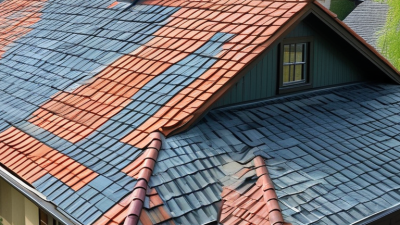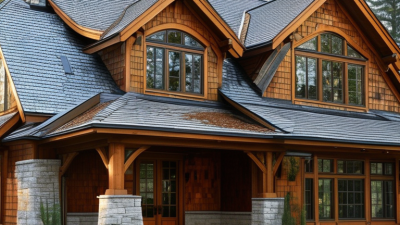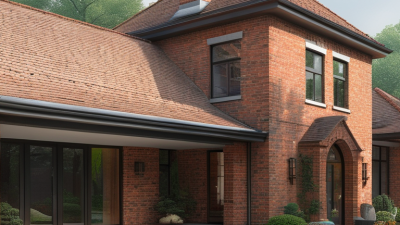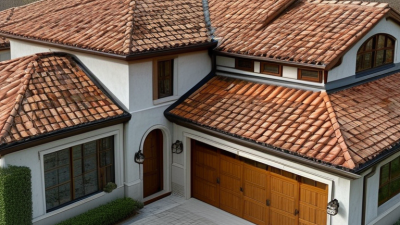
Choosing shingles roof tiles is not simply a matter of matching colors with brickwork. The right decision affects water control, attic temperature, maintenance, and the roof’s service life. A tile that looks attractive in a showroom may perform poorly under strong wind, heavy rain, or repeated freeze-thaw cycles.
Building scientist Joseph Lstiburek says, “Buildings should be designed to get wet, but also to dry.” That principle matters when comparing shingles roof tiles. Good roofing depends on more than the visible surface. Underlayment, flashing, ventilation, slope, and installation quality all influence performance. A premium shingle cannot correct careless workmanship.
This guide examines the details homeowners often overlook. It considers asphalt composition, impact resistance, wind ratings, fire classification, warranty language, and local climate. It also explains how roof pitch changes water drainage and material suitability. Small details matter. A dark tile can increase attic heat. Poorly sealed valleys can invite leaks. Lightweight products may also behave differently in exposed coastal areas.
The choice is not always obvious. Manufacturer claims deserve careful checking. Warranties can sound impressive, yet exclude common installation problems. I have also seen projects prioritize appearance while ignoring ventilation and flashing. That approach needs reconsideration.
By comparing technical specifications with real site conditions, readers can make a more reliable choice. The best shingles roof tiles should balance appearance, durability, budget, and practical installation requirements.
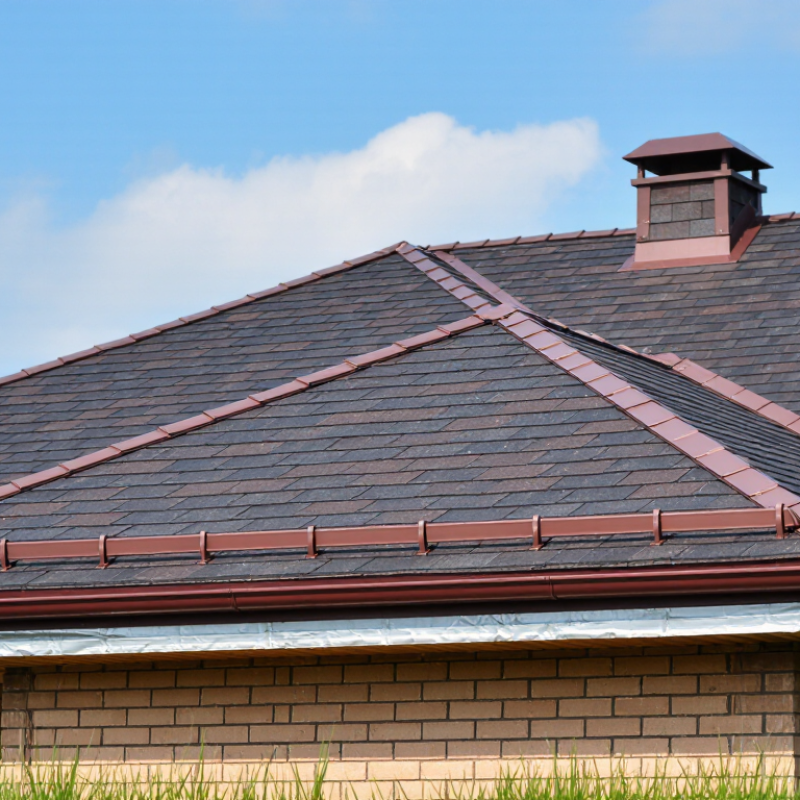
Choosing shingles starts with understanding what the word “shingle” includes. Asphalt shingles are usually the most economical option, with three-tab and architectural styles offering different appearances and wind resistance. Architectural shingles use multiple layers, creating a deeper shadow line. Wood shingles provide natural texture but need regular inspection for splitting and moisture. Clay and concrete tiles can last for decades, yet their weight may require structural review. Metal shingles are lightweight and often resist fire, hail, and wind, depending on their tested assembly.
Climate changes the decision. The U.S. Department of Energy reports that reflective roofs can remain up to 50°F cooler than conventional roofs under strong sunlight. That matters in hot regions, although color is not the only factor. Ventilation, insulation, and installation quality also control attic temperature.
The Insurance Institute for Business & Home Safety recommends evaluating roof coverings through full-system performance, including edges, fasteners, and underlayment. A tile can be strong, but poor flashing can still invite water.
I would inspect the roof slope before comparing samples. Low-slope areas may need different materials or additional waterproofing. The National Roofing Contractors Association stresses compatible underlayment, metal flashing, and correct fastening patterns in its Roofing Manual. Ask for wind, fire, impact, and service-life test data, not vague promises. A darker architectural shingle may look attractive beside a driveway, but it can absorb more heat. I have seen homeowners focus on appearance first. That shortcut can backfire. Even careful guidance has limits; local weather records and a qualified roof inspection should influence the final choice.
How to Choose the Best Shingles Roof Tiles?
Choosing shingles starts with your climate, not appearance. Heavy rain needs strong water-shedding performance and secure flashing around vents. In snowy regions, tiles must resist freezing, ice buildup, and repeated temperature changes. Hot, sunny areas require materials with reliable heat and ultraviolet resistance. Coastal homes may also need better protection against salt air and high winds.
Roof design matters just as much. A steep slope usually sheds rain and snow more effectively than a shallow one. Complex roofs need careful cutting around valleys, chimneys, and roof windows. I once underestimated how quickly poor valley detailing could cause leaks. That mistake showed me why installation quality matters as much as tile selection. Local building requirements may specify wind ratings, fire performance, underlayment, or minimum roof pitch. Check your municipality’s current code before ordering materials. A licensed roofing professional can explain these rules and provide written specifications.
Tips: Ask for climate-specific product data. Inspect sample tiles in natural light. Compare warranty conditions carefully. Request references for similar roofs. Keep local code documents with your project records. Small details matter. Do not assume a popular style suits every roof. Recheck drainage paths after installation, because water often reveals weaknesses that drawings miss.
How to Choose the Best Shingles Roof Tiles?
Material affects lifespan, appearance, and maintenance more than most homeowners expect. According to the International Association of Certified Home Inspectors’ lifespan guide, asphalt shingles typically last 15–30 years. Wood shingles may last 20–25 years. Metal roofing can reach 40–80 years, while clay and concrete tiles often exceed 50 years. These are useful ranges, not promises. Poor ventilation, hail, coastal air, and installation errors can shorten them sharply.
Look closely at maintenance needs. Asphalt shingles are affordable and easy to repair, but algae stains and loose granules need regular attention. Wood offers warm, natural texture, yet it requires treatment against moisture, insects, and decay. Metal resists fire and weather, although scratches can expose vulnerable areas. Clay and concrete create a strong architectural appearance, but their weight may require structural review. The National Roofing Contractors Association recommends checking flashing, drainage, fasteners, and ventilation during roof evaluations. Appearance matters. So does the roof beneath it.
Tips: Ask for the expected service life in your climate. Inspect after major storms. Clear leaves from valleys and gutters. Match the material to your home’s structure, not only its color. A beautiful tile can still be a poor choice. I would also request written maintenance requirements before signing a contract; vague promises deserve a second look.
A practical comparison of common roofing materials for residential applications
| Roofing Material | Typical Service Life | Appearance Options | Weather and Fire Performance | Maintenance Needs | Relative Installed Cost | Best Suited For |
|---|---|---|---|---|---|---|
| Asphalt Shingles | 15–30 years | Wide range of colors and profiles; dimensional styles can imitate wood or slate | Good general weather resistance; fire rating varies by product; vulnerable to high winds if poorly installed | Inspect annually; remove debris; check for lifted, cracked, or missing shingles and damaged flashing | Low | Budget-conscious projects and most standard residential roofs |
| Wood Shingles and Shakes | 20–30 years with regular care | Natural grain and weathered appearance; cedar is commonly used | Can resist wind when properly installed; generally requires fire treatment in many areas; moisture and insects are concerns | Frequent inspections; keep clear of leaves; control moss and mildew; reseal or retreat where appropriate | Medium–High | Traditional, rustic, or historically styled homes in suitable climates |
| Steel Roofing Shingles | 40–70 years | Smooth or textured finishes; available in many colors and profiles | Lightweight, highly wind-resistant when correctly fastened, and noncombustible; coatings help prevent corrosion | Low maintenance; inspect fasteners, seams, coating damage, and areas where dissimilar metals meet | Medium–High | Homes needing durability, lower weight, or strong resistance to fire and wind |
| Aluminum Roofing Shingles | 40–70 years | Painted or coated finishes in numerous colors; can resemble other roofing materials | Lightweight and corrosion-resistant; noncombustible; may dent under severe hail or impact | Occasional washing and inspections for dents, loose fasteners, and coating wear | Medium–High | Coastal or humid areas where corrosion resistance and low weight are important |
| Clay Roof Tiles | 50–100 years or more | Natural earth tones, glazed finishes, curved or flat profiles, and strong regional character | Excellent fire resistance and strong resistance to sunlight; individual tiles can crack from impact or freeze-thaw cycles | Inspect for cracked or displaced tiles; maintain underlayment, flashing, valleys, and drainage areas | High | Warm, sunny climates and architectural styles designed for tile roofing |
| Concrete Roof Tiles | 40–75 years | Available in flat, low-profile, and high-profile designs with colored or textured finishes | Excellent fire resistance and good wind performance; can absorb moisture and may be affected by freeze-thaw conditions | Periodic inspections; replace broken tiles and monitor flashing, underlayment, moss, and algae growth | Medium–High | Durable homes that can support the added structural weight of tile roofing |
| Natural Slate | 75–150+ years | Distinctive natural stone texture with variations in color, thickness, and surface character | Excellent fire resistance and long-term weather performance; can fracture if walked on or subjected to impact | Specialist inspections; replace broken slates and maintain copper or other compatible flashings | Very High | Premium, long-life roofs with adequate structural support and skilled installers |
Choosing shingles roof tiles starts with the full project cost, not the shelf price. Ask for a written estimate covering removal, underlayment, flashing, ventilation, permits, disposal, and labor. A low quote may exclude damaged decking beneath the old roof. I once saw a budget rise after rotten boards were exposed. That experience changed my checklist. Leave room for repairs. Small surprises become expensive quickly.
Installation needs depend on roof pitch, shape, climate, and existing structure. An experienced contractor should inspect attic moisture, roof edges, and drainage before ordering materials. Steep slopes may require extra safety equipment and labor. Complex valleys need careful flashing. Measure twice. Cut once. Confirm who supplies fasteners, vents, ice protection, and replacement tiles. Local building requirements can affect spacing and ventilation, so verify them with the relevant authority. Avoid relying on verbal promises; keep scope and payment stages in writing.
Warranty coverage deserves close reading. Material warranties may cover manufacturing defects, while workmanship coverage often comes from the installer. These protections can differ in length, transfer rules, exclusions, and claim procedures. Ask whether wind damage, color changes, poor ventilation, and improper maintenance are excluded. Keep invoices, inspection notes, photographs, and maintenance records. They can support a future claim. Be skeptical of unusually broad promises. A warranty is only useful when its conditions are practical, documented, and understood before installation begins.
Selecting the right shingle roof tiles starts with your home, not a showroom color. Assess roof slope, local weather, attic ventilation, and structural condition. A steep roof sheds rain quickly, while low-slope areas need careful installation and compatible underlayment. During inspections, I look for loose decking, exposed fasteners, and shaded sections where moisture lingers.
Wind and fire ratings deserve close attention. The Insurance Institute for Business & Home Safety reports that stronger roof-to-wall connections and properly installed coverings reduce storm damage risks. However, a higher wind rating does not repair poor workmanship. Check the product’s tested wind resistance, impact classification, and local building requirements. The National Roofing Contractors Association also emphasizes complete roof-system design, including flashing, ventilation, and underlayment.
Climate should guide the surface color and material. The U.S. Department of Energy reports that cool roofs can reduce peak cooling demand by roughly 10% to 45%, depending on climate and construction. Light-colored or reflective shingles may help in hot regions, but they are not always the best choice in cold, shaded areas. I once favored appearance too heavily; the darker option absorbed more summer heat than expected. That was a useful correction. Compare estimated service life, repair access, installation quality, and total cost over time. Ask for written specifications and references from recent local projects. A beautiful roof can still be the wrong roof.
How to Choose the Best Shingles Roof Tiles?
This comparison shows the typical service life of common residential roofing materials. Actual performance depends on climate, installation quality, ventilation, maintenance, and local building conditions. Use expected lifespan together with appearance, weight, fire resistance, maintenance needs, and total installed cost when selecting roof tiles.