What is Terracotta Roof Tiles and Their Benefits for Homeowners?
Terracotta roof tiles are increasingly popular in residential construction. These tiles are not only stylish but also offer numerous benefits to homeowners. According to a report by the National Roofing Contractors Association, terracotta roofs can last over 100 years when properly maintained. This longevity makes them a wise investment for property owners.
Additionally, terracotta tiles provide excellent thermal insulation. Studies show that buildings with terracotta roofs can experience a reduction in cooling costs by up to 30%. Their natural properties regulate indoor temperatures effectively. However, the initial cost of installation can be higher than asphalt shingles. Homeowners should weigh these factors carefully before making a decision.
Moreover, terracotta's aesthetic appeal adds value to homes. Many homeowners appreciate the unique colors and styles available. Yet, the weight of these tiles necessitates proper structural support. This aspect often requires professional consultation. Being aware of both the advantages and challenges is crucial for potential buyers exploring terracotta roof tiles.
Definition and Composition of Terracotta Roof Tiles
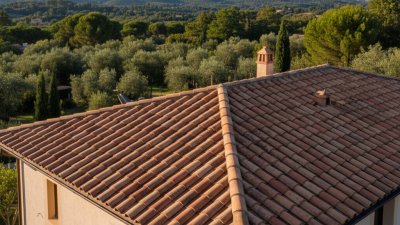
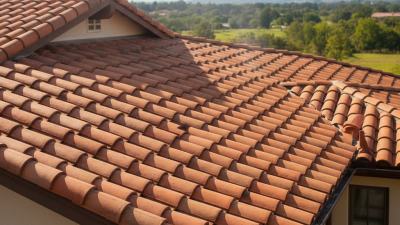
Terracotta roof tiles are an ancient building material made from natural clay. These tiles are molded and fired in kilns at high temperatures. This process gives them durability, strength, and a distinct reddish-brown color. The composition of terracotta includes clay, often mixed with sand to improve texture and strength.
Homeowners favor terracotta for its many benefits. One significant advantage is its excellent thermal properties. These tiles keep homes cool in summer and warm in winter. Terracotta roofs also provide long-lasting protection against rain and wind. Their natural composition makes them eco-friendly and recyclable.
**Tip:** When choosing roof tiles, consider local climate conditions. Terracotta performs well in hot areas. However, in regions with heavy snowfall, check for appropriate insulation.
Terracotta tiles require some maintenance. Regular cleaning helps prevent algae and moss growth. It's advisable to inspect tiles for cracks or chips. Small issues can lead to bigger problems if neglected.
**Tip:** Schedule a professional roof inspection every few years. This can save homeowners money in the long run by addressing issues early. Keep in mind, while terracotta tiles are tough, they can be brittle under impact.
Historical Significance and Traditional Uses of Terracotta Tiles
Terracotta tiles have deep historical significance. They date back thousands of years, with origins in ancient civilizations like the Romans and Greeks. These tiles were favored for their durability and aesthetic appeal. The color of terracotta, often a warm reddish-brown, brings a natural look to any structure. Their popularity continued through medieval times and into the Renaissance, highlighting their long-standing allure.
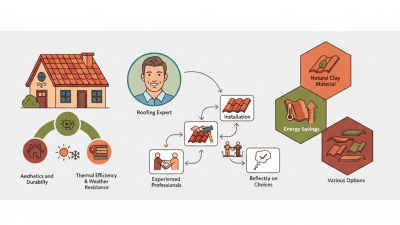
In traditional construction, terracotta tiles were commonly used on roofs and facades. They provide excellent thermal regulation. A report by the National Roofing Contractors Association indicates that terracotta can reduce heat absorption. This energy efficiency can lead to energy savings for homeowners. Additionally, terracotta offers excellent weather resistance. It performs well against harsh elements, making it a practical choice.
Despite their benefits, there are challenges with terracotta tiles. They can be heavier than other roofing materials, which adds to installation complexity. Homeowners should be aware of this aspect. Furthermore, while durable, they may require periodic maintenance to prevent issues like cracking or fading. Choosing quality materials and proper installation is crucial.
Advantages of Using Terracotta Roof Tiles for Homeowners
Terracotta roof tiles are a popular choice among homeowners due to their unique benefits. These tiles offer excellent insulation, helping to maintain a comfortable indoor temperature. They can keep homes cooler in summer and warmer in winter, which is essential for energy efficiency.
One significant advantage of terracotta tiles is their durability. They can withstand harsh weather conditions and resist fading. This longevity can lead to fewer replacements over time. The natural clay used in terracotta also makes them environmentally friendly. They can be recycled and do not contribute to landfill waste like some synthetic materials.
Tip: When selecting terracotta tiles, consider their color and finish. Lighter tiles can reflect heat while darker ones may absorb it more. Maintenance is also vital; regular cleaning can prevent algae and moss buildup, which can damage the tiles.
Another point to ponder is the cost. While terracotta tiles can be pricier upfront, their lifespan often offsets this initial investment. Many homeowners find value in investing a bit more for superior quality. It’s crucial to weigh both initial costs and long-term benefits when deciding.
Tip: Research installation options. Proper installation is key to maximizing durability. DIY may save money, but hiring a professional can ensure the job is done correctly.
Maintenance and Longevity of Terracotta Roof Tiles
Terracotta roof tiles have a long-standing reputation for durability and aesthetic appeal. These tiles, made from natural clay, can last over 50 years when properly maintained. Homeowners can enjoy their benefits, including thermal regulation and resistance to extreme weather conditions. According to a 2022 study by the National Roofing Contractors Association, terracotta tiles reduce heat absorption, leading to lower energy costs.
Maintenance is crucial for extending the life of terracotta roofs. Regular cleaning helps prevent moss buildup, which can cause damage over time. Inspecting tiles for cracks or chips is also essential. Addressing minor issues promptly can prevent costly repairs later. The National Institute of Standards and Technology notes that a well-maintained terracotta roof can withstand harsh environments better than many asphalt alternatives.
Tips for caring for your terracotta tiles include using a soft-bristle broom for cleaning to avoid scratching the surface. Consider scheduling a professional inspection every few years to catch hidden problems early. Remember, while terracotta is resilient, neglecting maintenance can lead to more significant issues. A proactive approach ensures your roof remains an asset to your home.
Benefits of Terracotta Roof Tiles for Homeowners
This chart illustrates the various benefits of terracotta roof tiles, rated on a scale from 1 to 10. Homeowners can enjoy high durability and longevity, making them a reliable choice for roofing material. Additionally, maintenance levels and aesthetic appeal are noteworthy, contributing to the overall value of terracotta roofs.
Comparative Analysis of Terracotta Tiles with Other Roofing Materials
Terracotta roof tiles are a popular choice for homeowners due to their aesthetic appeal and durability. When comparing terracotta to other roofing materials, such as asphalt shingles and metal, several factors come into play. For instance, a study by the National Roofing Contractors Association shows that terracotta can last over 100 years with proper care. In contrast, asphalt shingles typically need replacement every 20-30 years. This longevity can provide significant savings in the long run.
Moreover, terracotta tiles excel in energy efficiency. According to the Cool Roof Rating Council, terracotta tiles reflect sunlight, helping to reduce cooling costs by up to 25%. This is especially beneficial in warmer climates where energy bills can skyrocket. Although terracotta is heavier than many alternatives and requires a sturdy roof structure, its benefits often outweigh these challenges. Homeowners should also consider the potential for cracking or chipping, common due to impact or extreme weather variations.
While terracotta roof tiles may demand a higher upfront investment, the long-term advantages make them a worthwhile consideration. The visual richness they bring can enhance property value. However, it's crucial to weigh these benefits against the possible maintenance involved. Proper installation and periodic checks can mitigate issues, fostering both beauty and reliability in a roofing system.
What is Terracotta Roof Tiles and Their Benefits for Homeowners? - Comparative Analysis of Terracotta Tiles with Other Roofing Materials
| Roofing Material |
Durability |
Lifespan |
Insulation |
Cost |
Maintenance |
| Terracotta Tiles |
Excellent |
50+ Years |
Good |
Moderate |
Low |
| Asphalt Shingles |
Good |
20-30 Years |
Fair |
Low |
Moderate |
| Metal Roofing |
Very Good |
40-70 Years |
Excellent |
High |
Low |
| Slate Roofing |
Exceptional |
75+ Years |
Good |
Very High |
Low |
| Concrete Tiles |
Good |
30-50 Years |
Fair |
Moderate |
Moderate |