What Are Terracotta Solar Roof Tiles and How Do They Work?

Terracotta solar roof tiles combine the warm, earthy appearance of traditional clay roofing with photovoltaic technology. They are designed to generate electricity while protecting the building from rain, wind, and sunlight. Unlike standard solar panels, these tiles can blend more naturally with historic homes, Mediterranean villas, and design-focused new construction.

Each tile contains photovoltaic cells that respond to sunlight. The cells produce direct-current electricity when light reaches their surface. An inverter then converts that electricity into usable power for household appliances. Extra energy may flow into a battery or the electrical grid, depending on the system design and local regulations. Performance depends on roof direction, shading, weather, tile spacing, and installation quality.

The technology sounds simple. Real projects are not.

This guide explains how terracotta solar roof tiles work, what components support them, and how they compare with conventional panels. It also examines installation requirements, maintenance, energy output, costs, and long-term durability. A tile’s attractive finish does not guarantee strong solar production. Some products may sacrifice efficiency for appearance, while others require careful roof integration and specialized installers.

Reliable evaluation requires more than checking a product photograph. Homeowners should review verified efficiency ratings, fire classifications, wind resistance, warranties, and independent testing. Roof age matters too. Installing new solar tiles on a failing roof could create unnecessary expense. The best choice depends on sunlight, structural capacity, budget, and local building standards. This article keeps those practical limits visible, because sustainable design should be beautiful, useful, and honestly measured.
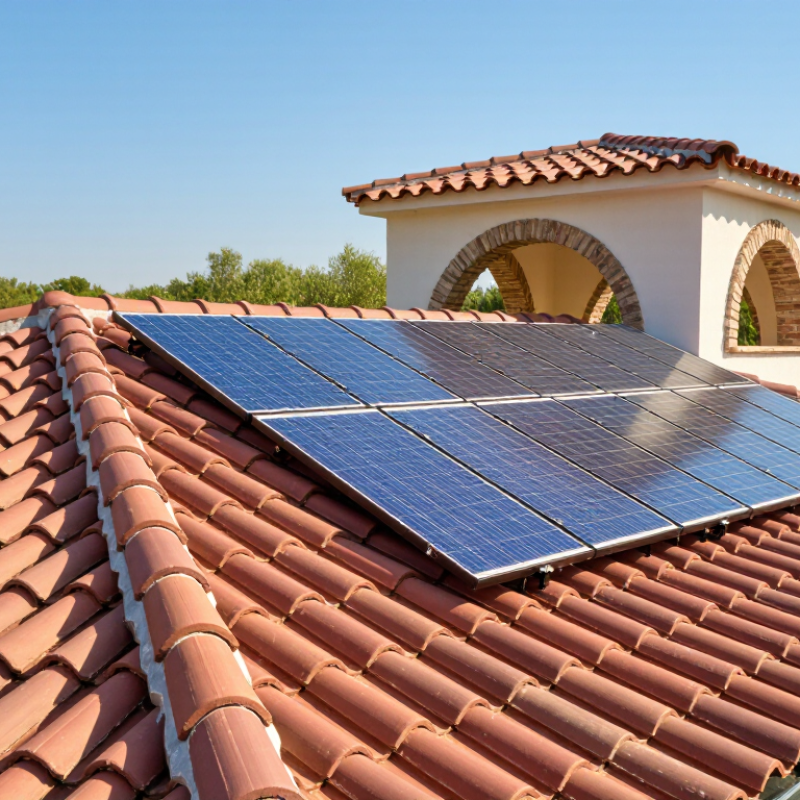
What Are Terracotta Solar Roof Tiles and How Do They Work?

Definition and Basic Structure of Terracotta Solar Roof Tiles

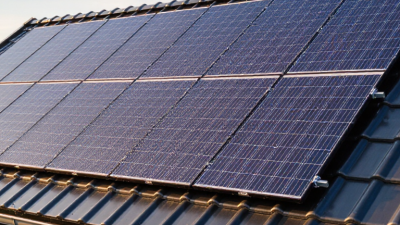
Terracotta solar roof tiles are roofing units that combine the warm appearance of fired clay with photovoltaic technology. They are designed to replace, or work alongside, conventional terracotta tiles. Unlike standard clay tiles, each solar unit contains light-sensitive cells that convert sunlight into direct-current electricity.

The basic structure usually has several layers. A durable outer surface protects the cells from rain, dust, and hail. Beneath it, photovoltaic cells capture sunlight. Conductive strips carry electricity through the tile, while insulated wiring connects neighboring units. A ceramic or clay-colored body provides the terracotta appearance, and a rear mounting section supports installation on roof battens. An inverter then changes the electricity into usable household power.

The term “terracotta” can be slightly misleading. Some products use genuine clay-based materials, while others imitate the color and texture with coated glass or engineered ceramics. Checking the product specification matters. Roof slope, sunlight, ventilation, and structural strength also affect performance. A beautiful tile may produce less energy on a shaded roof.

Tips: Ask for a cross-section drawing before choosing a system. Confirm the tile’s tested wind, fire, and impact ratings. Have a qualified installer inspect the roof first. Leave space for safe cable access and future repairs. Small installation errors can create leaks. That detail is easy to underestimate.

What Are Terracotta Solar Roof Tiles and How Do They Work? - Definition and Basic Structure of Terracotta Solar Roof Tiles

Data Dimension Typical Information Definition or Structural Role
Basic definition Building-integrated photovoltaic roof tile A roofing product that combines the visual appearance or shape of terracotta tiles with photovoltaic components that convert sunlight into electricity.
Terracotta appearance Red, orange, brown, or clay-inspired surface finish The exterior is designed to complement traditional clay-tile roofs. The visible solar surface may be textured, colored, or shaped to resemble terracotta.
Main energy source Sunlight Photovoltaic cells absorb solar radiation and produce direct-current electricity without combustion or moving mechanical parts.
Photovoltaic cell layer Usually crystalline-silicon cells; technology varies by product The cells are electrically connected inside the tile and generate DC power when exposed to light.
Protective top layer Tempered or strengthened glass, or another weather-resistant cover Protects the solar cells from rain, hail, ultraviolet exposure, dust, and normal rooftop impacts while allowing sunlight to pass through.
Rear structure Weather-resistant backing, frame, or molded roofing body Supports the cell assembly, provides mechanical rigidity, and helps protect the electrical connections from moisture.
Typical tile size Approximately 0.1–0.3 m² per tile; product dimensions vary Solar tiles are generally smaller than standard framed solar panels and are installed in repeated courses across the roof.
Electrical output Product-specific; commonly a few tens of watts per active tile The output depends on tile area, cell efficiency, solar irradiance, temperature, shading, and electrical design. It should be verified from the product datasheet.
Electrical connection Series and parallel wiring through protected connectors Multiple tiles are electrically connected to form strings or array sections that deliver the required voltage and current.
Power conversion Inverter or module-level power electronics The inverter converts DC electricity from the tiles into alternating-current electricity suitable for household loads or grid connection.
Roofing function Weather-resistant roof covering When correctly installed with compatible flashing, underlayment, and drainage details, the tiles help shed rainwater like other roofing materials.
Installation position Roof slopes that receive sufficient sunlight Performance is affected by roof orientation, tilt, shading, local climate, ventilation, and the available installation area.
Operating temperature Performance generally decreases as cell temperature rises Adequate airflow beneath the roof covering can help reduce heat buildup and limit temperature-related power losses.
Key advantages Integrated appearance, dual roof-and-energy function, and reduced visual contrast Solar tiles can be suitable where architectural appearance is important, although they may provide less power per roof area than larger conventional solar panels.
Important limitation Higher design dependence and potentially more complex installation Compatibility with roof structure, local electrical rules, fire requirements, maintenance access, and replacement procedures should be assessed before installation.
Note: Terracotta solar roof tiles are not necessarily made from traditional fired clay. In many designs, the terracotta effect is created by the tile shape, color, coating, or surface treatment, while the electricity-generating section is built from photovoltaic materials.

Key Materials and Components Inside the Tiles

Terracotta solar roof tiles combine a traditional clay roof surface with photovoltaic components. The terracotta layer mainly provides visual continuity and weather protection. It does not generate electricity by itself. Inside, crystalline-silicon cells convert sunlight into direct current. Fraunhofer ISE’s Photovoltaics Report 2024 places commercial silicon module efficiencies broadly around 20–23%, although tile designs may perform differently.

The cell strings use copper ribbons or conductive adhesives to carry current. A transparent front layer, usually strengthened glass, protects them from hail and moisture. Ethylene-vinyl acetate or polyolefin encapsulant surrounds the cells and limits movement. Behind them, a rear glass layer or polymer backsheet adds insulation. Small bypass diodes reduce power losses when one tile is shaded. They matter on roofs with chimneys and uneven sunlight.

A junction box sends electricity toward the inverter through protected cables. The inverter changes direct current into household alternating current. Mounting clips, ventilation gaps, seals, and flashing keep the installation stable and dry. IEA PVPS reported global photovoltaic capacity above 1.6 terawatts at the end of 2023, showing the technology’s expanding scale. Yet roof tiles face a harder design problem than standard panels: less exposed area, more edges, and limited airflow. NREL’s widely cited degradation analysis found a median crystalline-silicon decline near 0.5% per year. Real tile performance can vary. Heat remains a weakness.

How Terracotta Solar Tiles Generate and Transfer Electricity

Terracotta solar roof tiles resemble traditional fired-clay tiles, but their electricity-producing layer contains photovoltaic cells. Their color is mainly an architectural finish, not the energy source. Sunlight reaches the cells and excites electrons inside semiconductor material. This movement creates direct current, or DC electricity. Cells connect into strings beneath the tile surface. Each string adds voltage, while parallel connections increase available current. Small detail, large consequence.

An inverter then changes DC electricity into alternating current, the form used by household appliances. A meter measures production, consumption, and any electricity exported to the grid. Batteries can store surplus power for evening use. According to IRENA’s Renewable Capacity Statistics 2024, global solar capacity reached about 1,419 GW by the end of 2023. That scale shows photovoltaic technology is established, although integrated tiles remain more dependent on roof design than standard panels. NREL’s PVWatts documentation uses a default system-loss assumption of about 14%, covering wiring, inverter, shading, and other losses. Real terracotta installations may perform differently. Roof angle, dust, heat, and partial shade matter greatly. A single shaded tile can affect its electrical circuit. This is where attractive roof layouts become less predictable. Careful site measurements and electrical testing are essential. The numbers on a brochure are useful, but they are not a promise.

Roof Installation, Wiring, and System Integration

Terracotta solar roof tiles combine a warm, clay-like appearance with photovoltaic cells beneath a weather-resistant surface. Some products are genuine terracotta-colored modules, while others are ceramic tiles installed beside solar units. This distinction matters during planning. A roofing contractor should check tile dimensions, roof pitch, structural loading, and ventilation before ordering materials. Small measurement errors can create visible gaps or uneven rows.

Installation begins with a sound roof deck and a carefully fitted waterproof underlayment. Flashing must direct rainwater around valleys, ridges, vents, and cable entry points. Each solar tile connects to neighboring tiles through concealed DC wiring. Connectors should remain accessible for testing, but protected from moisture and sharp edges. Cable clips, conduit, and grounding paths need secure placement beneath the tile courses. The visual result is not always perfectly uniform. That is easy to underestimate.

At the electrical boundary, grouped tile circuits feed a suitable inverter or approved power-conditioning equipment. The system should include overcurrent protection, grounding, surge protection, and rapid-shutdown equipment where local rules require it. A qualified electrician must verify polarity, insulation resistance, voltage, and continuity before energizing the array. Integration with the building’s main panel also requires load calculations and utility approval. I would not treat roof installation and wiring as separate jobs; a misplaced cable can damage waterproofing, while a beautiful roof can still perform poorly if shading or ventilation was ignored. Regular inspection remains practical, especially after severe weather or roof maintenance.

Benefits, Limitations, Maintenance, and Practical Applications

Terracotta solar roof tiles can combine fired clay surfaces with photovoltaic cells. Their warm orange finish may preserve a historic streetscape better than dark modules. Sunlight reaches the cell layer through shaped or integrated tile sections. The cells produce direct current, while an inverter supplies household electricity. It sounds simple. Roof geometry decides much. The IEA PVPS Trends 2024 report recorded about 445 gigawatts of new solar capacity worldwide in 2023. That figure shows market scale, not tile performance. Terracotta systems remain a specialized building-integrated option.

Their strongest benefit is visual integration. This suits heritage-style homes, rural buildings, and low-rise hospitality projects. They can replace conventional covering materials while generating electricity. However, tile layouts create more joints, wiring routes, and shaded areas. Installation usually costs more than standard rooftop modules. Output may also be lower because each tile has limited active surface. The Fraunhofer ISE Photovoltaics Report 2024 places leading commercial module efficiencies above 20 percent. Individual solar tiles should not be assumed equal. I would request a roof-specific simulation, not a brochure estimate.

Maintenance begins with inspection. Check cracked clay, slipped tiles, exposed cables, inverter alerts, and debris after severe weather. Gentle cleaning may help dusty roofs. Aggressive pressure can damage coatings or seals. NREL’s photovoltaic operations guidance treats soiling losses as strongly site-dependent. Rainfall, dust, and roof angle all matter. Annual electrical testing is sensible, though local conditions may demand more. These tiles suit new construction or full reroofing best. Retrofitting an intact roof can be disruptive. The honest weakness is access: one broken tile may require careful removal of neighboring pieces.