China Top 10 Terracotta Roof Tile Manufacturers for Buyers
Choosing among China’s top terracotta roof tile manufacturers requires more than comparing prices or catalog photographs. Buyers should examine clay composition, firing temperature, water absorption, dimensional accuracy, frost resistance, and long-term color stability. A tile that looks rich under showroom lighting may appear uneven after years of rain, dust, and strong sunlight.
Roofing consultant Mark Graham has said, “The right tile is the one that suits the roof, climate, and installer.” This practical view shapes our selection. Terracotta roof tiles perform differently across coastal, tropical, cold, and high-wind environments. Their profiles also affect drainage, ventilation, weight, and installation speed. Buyers should request test reports, production samples, factory photographs, packaging details, and references from completed projects. Small details matter.
No shortlist is perfect. Manufacturer rankings can change with quality control, export experience, lead times, and after-sales support. Some factories offer impressive designs but limited technical documentation. Others produce dependable tiles yet communicate slowly with overseas buyers. That difference can affect an entire project.
This guide introduces ten Chinese manufacturers for professional comparison. It considers product range, manufacturing capability, customization, certifications, inspection practices, and buyer feedback. It does not treat the lowest quotation as the best value. A reliable supplier should explain tile performance clearly, identify installation requirements, and admit material limitations when they exist. That honesty is useful. The final decision should match the building, local climate, budget, and installer’s experience.
What Makes China a Leading Source of Terracotta Roof Tiles
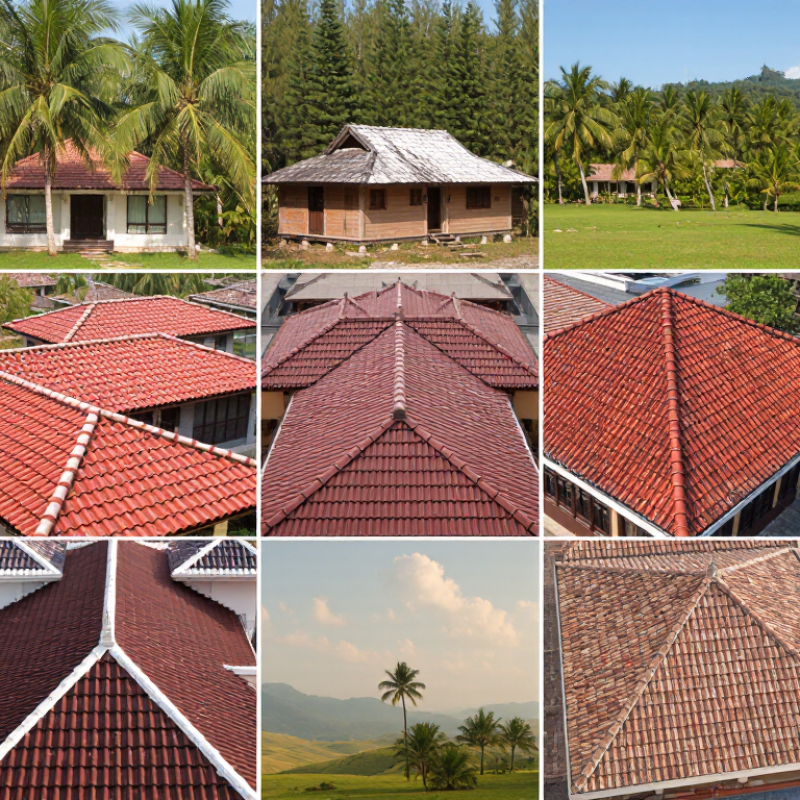
China has become a leading source of terracotta roof tiles through a combination of raw materials, skilled production, and scalable manufacturing.
Many regions contain suitable clay, reducing transport from quarry to factory. Experienced producers refine the clay, remove stones, and control moisture before forming each tile.
Kiln control matters. Modern tunnel kilns can maintain stable temperatures, improving strength and reducing warping. Manufacturers also use dimensional checks, water absorption tests, and frost-resistance inspections.
These steps help buyers assess performance beyond surface color. Still, quality can vary between factories. A sample may look excellent, while a later batch shows slight shade differences. Buyers should request production samples and inspection records.
China also offers flexible formats, finishes, and packaging options for international projects. Factories can produce traditional curved tiles, flat profiles, and customized accessories in large quantities. Established export teams usually understand container loading, pallet protection, and documentation requirements. This reduces damage during long-distance shipping.
However, low prices should not replace technical evaluation. Buyers need to compare clay composition, firing temperature, tile thickness, and testing methods. A careful supplier may admit limitations instead of promising perfection. That honesty is valuable.
How to Evaluate the Top 10 Chinese Terracotta Tile Manufacturers
When evaluating China’s top 10 terracotta roof tile manufacturers, use evidence, not showroom size. Start with a comparison sheet covering factory ownership, kiln capacity, export history, and monthly output. Request recent test reports for water absorption, breaking strength, dimensional tolerance, and freeze-thaw resistance. EN 1304 and ASTM C1167 provide useful technical reference points, although regional building codes may require stricter values.
Ask for samples from three production batches. Compare color, warping, edge accuracy, and surface texture under natural light. A polished sample can mislead. During a factory audit, inspect clay storage, drying rooms, kiln temperature records, and rejected-tile controls. Confirm whether testing occurs in an independent laboratory. The 2024 UNEP Global Status Report for Buildings and Construction reported that buildings consumed 32% of global energy and produced 34% of global carbon dioxide emissions in 2022. Therefore, buyers should also examine firing fuel, recycled water use, packaging, and documented emissions data.
Price needs context. Compare delivered cost, breakage allowances, replacement rates, pallet design, and lead time. Request references for projects with similar rainfall, frost exposure, and roof pitch. Check whether technical staff can explain installation details clearly. Weak answers matter. They often reveal weak quality systems. I would score each manufacturer separately for consistency, compliance, communication, and after-sales support. A low quotation may still become expensive after damaged deliveries and color variation. Supplier rankings should remain provisional until batch testing, contract review, and a controlled trial shipment are complete.
China Top 10 Terracotta Roof Tile Manufacturers for Buyers
How to Evaluate the Top 10 Chinese Terracotta Tile Manufacturers
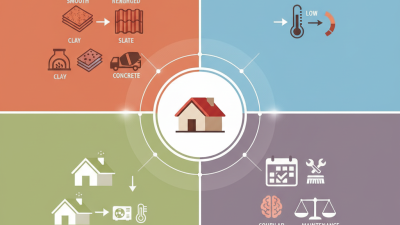
This indicative buyer evaluation model prioritizes technical quality, weather resistance, production consistency, compliance, export capability, customization, and commercial terms. The percentages represent recommended procurement weighting for comparing manufacturers and do not rank or disclose any individual company.
Key Product Types, Materials, and Manufacturing Standards
China’s terracotta roof tile manufacturers commonly supply plain, barrel, Roman, and interlocking profiles. Each type changes roof appearance, drainage, and installation speed. Plain tiles suit traditional designs, while interlocking tiles reduce water entry through overlapping joints. Barrel tiles create stronger visual depth but may need more careful alignment.
Material selection deserves close attention. Quality terracotta usually begins with refined natural clay and controlled mineral content. Low-iron clay produces lighter colors, while iron-rich clay creates red, brown, or deep orange tones. Modern factories often use pressing or extrusion, followed by controlled drying and kiln firing, commonly near 950–1,100°C. Uneven firing can cause warping, weak edges, or inconsistent color. It happens more often than buyers expect.
Tips: Request samples from different production batches. Check dimensions, surface cracks, underside flatness, and color variation in daylight. Ask for water absorption, breaking load, freeze-thaw, and salt-resistance test results. Testing should follow a recognized standard, such as ISO, ASTM, EN, or the applicable local code. Standards are not interchangeable, so confirm the exact test method and acceptance limits. Also review manufacturing tolerances, kiln records, packaging strength, and replacement-piece availability. A factory may show excellent samples, yet quality control between batches can still be imperfect. For large projects, independent pre-shipment inspection is a practical safeguard.
Comparing Quality, Customization, Pricing, and Production Capacity
China Top 10 Terracotta Roof Tile Manufacturers for Buyers
Comparing Quality, Customization, Pricing, and Production Capacity
Quality begins with the fired tile, not the showroom photograph. Ask for water absorption, breaking strength, frost resistance, and color consistency data. An experienced buyer should inspect random pieces from several pallets. Test the sample. Small warping can create uneven roof lines and costly installation delays. Kiln temperature records and batch traceability also reveal production discipline. These details often matter more than polished sales presentations.
Customization can include dimensions, surface texture, edge profiles, colors, and aged finishes. Confirm whether custom molds require separate tooling fees. Request a physical color sample, because digital images can mislead. I once underestimated shade variation between two kiln batches. That mistake made the roof look patchy. Written tolerances, approval samples, and packaging instructions reduce similar risks. However, excessive customization may slow production and increase breakage.
Pricing should include molds, inspection, pallets, inland transport, and replacement tiles. Compare landed cost rather than the factory quotation alone. A low price may hide thinner material or weaker packaging. Production capacity also needs careful verification. Ask for monthly output, kiln schedules, lead times, and current order volume. A large factory is not automatically the best choice. Smaller producers may offer closer quality control, but peak-season delivery can become uncertain. Request recent production photographs and an agreed inspection plan before placing a substantial order.
China Top 10 Terracotta Roof Tile Manufacturers for Buyers - Comparing Quality, Customization, Pricing, and Production Capacity
Buyer-oriented comparison based on typical export specifications and indicative industry quotation ranges
| Rank |
Anonymous Manufacturer Profile |
Main Tile Type |
Quality Rating
(10-point scale) |
Typical Water Absorption |
Customization Capability |
Indicative FOB Price
(USD/m²) |
Annual Capacity
(million pieces) |
Typical MOQ
(m²) |
Estimated Lead Time |
Best Fit for Buyers |
| 1 |
Profile 01 – Premium Export Line |
Flat and interlocking tiles |
9.2 |
≤ 8% |
High: colors, profiles, logos, samples |
14.50–19.50 |
35–50 |
500 |
25–35 days |
Premium residential and resort projects |
| 2 |
Profile 02 – Architectural Reproduction Line |
Roman and Spanish profiles |
9.0 |
≤ 9% |
Very high: reproduction tooling available |
13.80–18.80 |
25–40 |
800 |
30–45 days |
Heritage restoration and custom developments |
| 3 |
Profile 03 – Large-Volume Construction Line |
Interlocking and pantiles |
8.8 |
≤ 10% |
Medium-high: standard color matching |
10.50–15.80 |
45–70 |
1,000 |
20–30 days |
Housing developments and distributor orders |
| 4 |
Profile 04 – Hand-Finished Heritage Line |
Hand-finished curved tiles |
8.7 |
≤ 12% |
Very high: texture and aging effects |
16.00–24.00 |
12–25 |
300 |
35–50 days |
Boutique villas, cultural buildings, and restoration |
| 5 |
Profile 05 – Balanced Mid-Market Line |
Flat and low-profile tiles |
8.5 |
≤ 11% |
Medium: size and standard colors |
9.20–13.80 |
30–55 |
1,000 |
20–35 days |
Importers seeking stable cost and quality |
| 6 |
Profile 06 – Color-Engineered Line |
Glazed and colored tiles |
8.4 |
≤ 9% |
High: custom glaze and color matching |
12.50–18.00 |
20–35 |
600 |
30–45 days |
Projects requiring distinctive surface finishes |
| 7 |
Profile 07 – Fast-Delivery Export Line |
Standard pantiles |
8.2 |
≤ 12% |
Low-medium: limited tooling |
8.00–12.50 |
25–45 |
1,500 |
15–25 days |
Time-sensitive commercial and residential projects |
| 8 |
Profile 08 – Small-Batch Custom Line |
Special-format curved tiles |
8.1 |
≤ 13% |
Very high: small-batch tooling |
18.00–28.00 |
8–18 |
200 |
40–60 days |
Architect-designed homes and limited editions |
| 9 |
Profile 09 – Value-Oriented Production Line |
Basic flat and S-tiles |
7.9 |
≤ 14% |
Low: standard molds and colors |
6.80–10.50 |
40–65 |
2,000 |
18–30 days |
Budget-led projects and wholesale distribution |
| 10 |
Profile 10 – Regional Export Starter Line |
Traditional curved tiles |
7.7 |
≤ 15% |
Medium-low: basic dimensional changes |
6.50–9.80 |
15–30 |
2,000 |
25–40 days |
Entry-level importers and regional renovation projects |
Buyer note: Prices are indicative FOB ranges for standard terracotta roof tiles and can vary with tile size, finish, packaging, order volume, fuel costs, and destination port. Capacity, absorption, MOQ, and lead-time figures should be confirmed through current factory documentation, product testing, and a pre-shipment inspection.
How Buyers Can Select and Verify a Reliable Manufacturer
China Top 10 Terracotta Roof Tile Manufacturers for Buyers
How Buyers Can Select and Verify a Reliable Manufacturer
China offers broad terracotta tile capacity, but factory size does not guarantee consistent quality. Fortune Business Insights estimated the global roofing materials market at USD 129.15 billion in 2023, with continued construction demand. This growth attracts capable producers and inexperienced traders. Buyers should verify both.
Request recent test reports for water absorption, frost resistance, breaking strength, and dimensional tolerance. EN 1304 is widely used for clay roofing tiles in European projects. ASTM C1167 may support evaluation for the United States.
ISO 9001 certification shows process control, not perfect products. That distinction matters.
Ask for production-line photographs, kiln temperature records, and batch traceability. Then inspect physical samples under natural light. Look for straight edges, even color, clean interlocking points, and hidden cracks. A reliable manufacturer should provide a pre-shipment inspection plan and retain samples from each batch. The International Trade Centre highlights product quality and conformity assessment as important factors in international sourcing. Freight data also deserves attention. Confirm pallet strength, container loading, moisture protection, and breakage allowances before payment.
Use an independent laboratory when the project is large. Factory reports can be useful, yet they are not fully independent. I would also compare three recent customer references, not just polished case studies.
A small mistake here can become thousands of damaged tiles onsite. Allow time for re-testing. That part is often underestimated.