
China Top 10 Red Roof Tiles Manufacturers for Global Buyers
Red roof tiles remain a practical choice for homes, hotels, and heritage projects worldwide. Their color is distinctive, but performance matters more. Buyers must examine climate suitability, water absorption, frost resistance, breakage rates, and installation standards. A glossy surface alone proves very little.
The United Nations Environment Programme’s 2023 Global Status Report for Buildings and Construction states that buildings consume about 30% of global final energy. This strengthens the case for durable roofing materials that reduce replacement frequency and maintenance waste. Grand View Research also identifies continuing growth in the global ceramic tiles market, supported by housing development, renovation, and infrastructure investment. However, market growth does not guarantee consistent factory quality. That remains a difficult point.
Joseph Lstiburek, a respected building-science expert, has repeatedly emphasized, “Buildings should be designed for the climate they are in.” His principle applies directly to red roof tiles. A coastal project may need stronger fixing systems, while a cold region demands reliable frost resistance. Experienced buyers should also inspect kiln consistency, dimensional tolerance, packaging, testing documents, and after-sales support. Product samples can reveal warping, uneven coloring, or fragile edges before containers leave the factory. Useful evidence is measurable. Marketing language is not.
This guide introduces China’s top 10 red roof tiles manufacturers for global buyers. The selection considers manufacturing experience, export capability, product range, quality control, certifications, and customization capacity. It is not a perfect ranking. Supplier performance can change with time, materials, and management. Therefore, buyers should verify current test reports, factory records, and project references before signing contracts. Reliable sourcing requires patience, not attractive photographs.
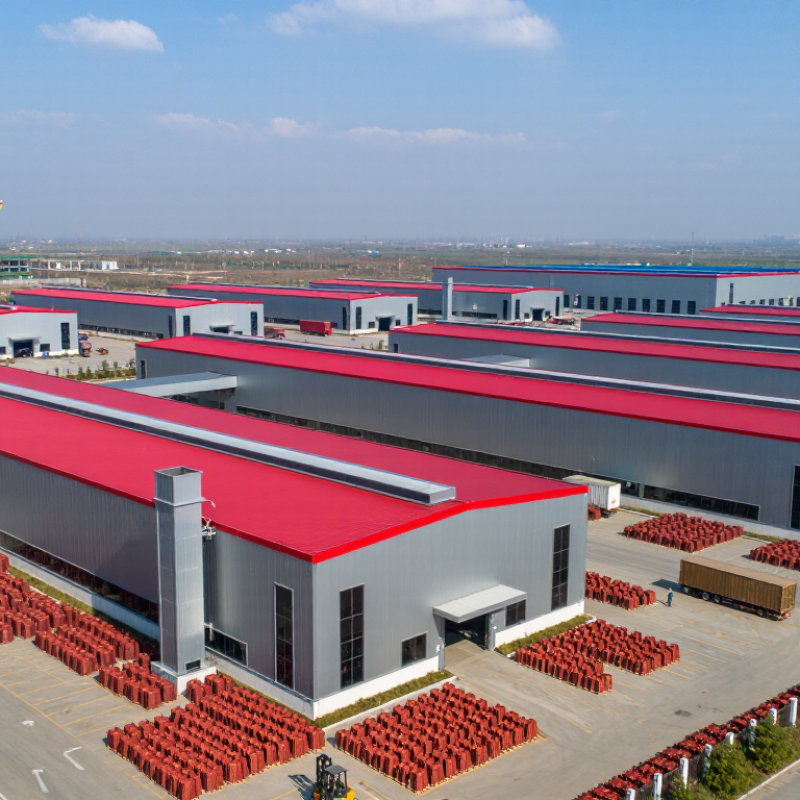
Red Roof Tile Manufacturing Standards and Global Market Requirements
China Top 10 Red Roof Tiles Manufacturers for Global Buyers
Red roof tile manufacturing must satisfy both local standards and destination-market rules. ISO 13006 classifies ceramic tiles by water absorption, dimensions, and surface quality. EN 1304 adds requirements for roofing tiles, fittings, and freeze-thaw resistance. In the United States, ASTM C1167 supports testing for clay roof tiles, including strength and durability. These standards matter because a tile that survives a dry warehouse may fail after repeated freezing, heavy rain, or strong wind.
Manufacturers should control clay preparation, firing temperature, warpage, glaze consistency, and batch traceability. Buyers should request test reports, not only factory photographs. The UNEP Global Status Report for Buildings and Construction 2023 states that buildings and construction produced about 37% of global energy-related and process emissions in 2022. Efficient kilns, recycled process water, and lower packaging waste can therefore improve both compliance and procurement value. Yet environmental claims are often incomplete. They need independent verification.
Tips: Check water absorption, freeze-thaw cycles, wind resistance, dimensions, and pallet strength. Ask for samples from different production batches. Measure shade variation in daylight. Small differences become obvious across a large roof. Require English inspection records and clear acceptance limits. A perfect specification is rarely possible, but vague specifications create expensive disputes.
China Top 10 Red Roof Tiles Manufacturers for Global Buyers - Red Roof Tile Manufacturing Standards and Global Market Requirements
| Rank | Anonymous Manufacturer Profile | Primary Production Region | Main Red Roof Tile Types | Typical Tile Dimensions | Forming and Firing Method | Water Absorption Target | Frost Resistance Requirement | Applicable Standards | Surface Finish | Export Packaging | Typical Buyer Verification |
|---|---|---|---|---|---|---|---|---|---|---|---|
| 1 | Profile A: Large-scale architectural clay-tile producer | Eastern China | Interlocking red clay tiles, flat tiles, ridge tiles | 260–420 × 160–280 mm; thickness 10–18 mm | Vacuum extrusion or press forming; kiln firing generally above 1,000°C | Typically ≤10% for frost-suitable products; confirm by test report | Freeze-thaw performance to be tested for the destination climate | GB/T 21149; EN 1304 where European conformity is required | Natural red, engobed red, or low-gloss surface | Palletized cartons with corner protection and moisture-resistant wrapping | Independent laboratory report, batch traceability, dimensional inspection |
| 2 | Profile B: High-volume terracotta roof-tile producer | Central China | Roman tiles, S-tiles, plain tiles, matching accessories | 250–400 × 150–270 mm; thickness 9–16 mm | Extrusion, cutting, drying, and continuous or tunnel-kiln firing | Common commercial target: 6–12%, depending on product design | Required for buyers in northern Europe, Canada, and high-altitude regions | GB/T 21149; ASTM C1167 for applicable clay roof-tile projects | Unglazed natural terracotta or colored engobe | Export pallets, interlocking separators, fumigated wood when required | Water absorption, breaking load, warpage, and color consistency tests |
| 3 | Profile C: Custom-format clay roofing manufacturer | Southern China | Traditional curved tiles, barrel tiles, decorative ridge tiles | 180–360 × 120–240 mm; thickness 8–20 mm | Press forming for profiles; controlled drying before kiln firing | Product-specific; buyer should specify the maximum permitted value | Optional frost-resistant grades available for cold-weather projects | GB/T 21149; project specifications may additionally reference EN 1304 | Natural red, antique red, weathered finish, or custom engobe | Foam-lined cartons, reinforced pallets, and moisture barriers | Approved sample, color delta review, profile gauge, and packing drop test |
| 4 | Profile D: Architectural restoration tile producer | North China | Hand-finished flat tiles, heritage curved tiles, ridge and finial pieces | 200–380 × 130–260 mm; thickness 10–22 mm | Press forming with controlled surface finishing and kiln firing | Usually specified by conservation project requirements | Freeze-thaw testing recommended before use in exposed climates | GB/T 21149; EN 1304 for projects using European classification | Natural red, aged red, rubbed finish, or color-blended surface | Individual separators, rigid cartons, and heavy-duty export pallets | Historic profile approval, visual mock-up, dimensional tolerance report |
| 5 | Profile E: Interlocking roof-system manufacturer | Eastern China | Interlocking clay tiles, ventilated ridge tiles, eave tiles | 300–440 × 220–300 mm; thickness 11–18 mm | Precision extrusion or pressing with mechanically controlled dimensions | Typically engineered within the range required by the target standard | Specified through repeated freeze-thaw testing for cold-climate markets | EN 1304; local building codes and installation standards as applicable | Natural red, engobed red, or matte colored finish | Stacked pallets with molded separators and stretch wrapping | Interlock accuracy, breaking strength, water absorption, and wind-load review |
| 6 | Profile F: Sustainable low-carbon clay-tile producer | Western China | Thin-profile tiles, flat tiles, solar-compatible roof accessories | 260–420 × 170–280 mm; thickness 9–16 mm | High-efficiency tunnel kiln with controlled drying and fuel monitoring | Declared according to product series and verified by laboratory testing | Cold-climate grade available when specified in the purchase order | GB/T 21149; environmental declarations may support green-building projects | Natural red, water-based engobe, or low-gloss matte finish | Recyclable cartons, reusable pallets, and plastic-reduction options | Environmental data, product test report, kiln process records, and sample approval |
| 7 | Profile G: Large-format terracotta tile manufacturer | Southwestern China | Large flat tiles, Spanish-style tiles, decorative roof components | 300–500 × 180–320 mm; thickness 12–20 mm | Large-section pressing or extrusion followed by controlled kiln firing | Usually declared by model; larger formats require additional dimensional control | Project-specific freeze-thaw testing recommended | GB/T 21149; ASTM C1167 where accepted by the importing market | Natural terracotta, antique red, or blended color finish | Reinforced pallets, edge guards, and anti-abrasion separators | Load testing, dimensional stability, flatness, and transport-damage inspection |
| 8 | Profile H: OEM and private-label roof-tile producer | Coastal China | Flat tiles, interlocking tiles, ridge tiles, and custom profiles | Buyer-defined; common range 250–450 × 150–300 mm | Press or extrusion production with customer-approved molds | Must be agreed in the technical specification before mass production | Available when required by the destination standard or project brief | GB/T 21149, EN 1304, or ASTM C1167 according to destination market | Natural red, engobe, matte, or custom color-matched finish | Customized carton printing, pallet labels, separators, and container loading plan | Golden sample, pre-shipment inspection, lot numbering, and certificate review |
| 9 | Profile I: High-frost-resistance roof-tile producer | Northern China | Frost-resistant interlocking tiles, flat tiles, ridge systems | 270–430 × 160–290 mm; thickness 11–19 mm | Low-porosity clay body, controlled drying, and high-temperature kiln firing | Low absorption is generally required for severe freeze-thaw exposure | Verified through the applicable repeated freeze-thaw test method | EN 1304 or destination-country requirements; GB/T 21149 for China | Natural red, weather-resistant engobe, or matte finish | Heavy-duty pallets, sealed wrapping, and impact-resistant separators | Freeze-thaw report, breaking load, water absorption, and climate suitability review |
| 10 | Profile J: Small-batch premium handmade tile producer | Southwestern China | Handmade terracotta tiles, barrel tiles, bespoke ridge pieces | 180–400 × 120–280 mm; thickness 10–24 mm | Hand or semi-mechanical forming with controlled kiln firing | Varies by handmade profile; pre-shipment testing is recommended | Must be confirmed for any project exposed to regular freezing conditions | GB/T 21149 where applicable; project-specific international requirements | Natural variation, antique red, aged finish, or custom surface treatment | Individual paper or foam separation, reinforced cartons, and small pallets | Pre-production sample, shade range approval, breakage allowance, and inspection |
Related Posts
-
Top 10 Benefits of Using Red Roof Tiles for Your Home
-
2026 How to Choose the Best Red Roof Tiles for Your Home?
-
How to Choose the Best Plain Roof Tiles for Your Needs?
-
China Top Plain Roof Tiles What Makes Them a Popular Choice?
-

How to Choose Ceramic Roof Tiles for Global Projects?
-
What Are the 2026 Top Clay Tile Types for Global Buyers?