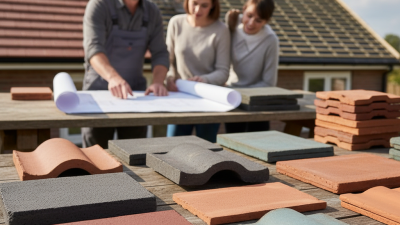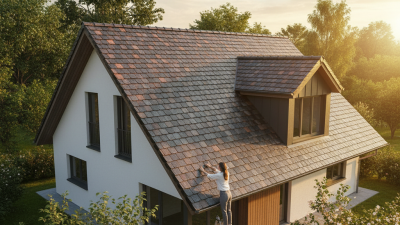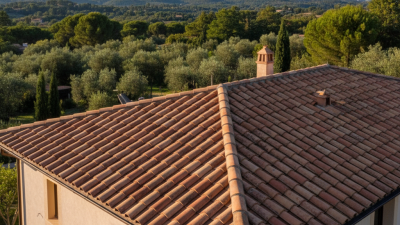
A roof does more than keep rain outside. It affects a home’s appearance, comfort, maintenance needs, and long-term costs. Yet choosing roofing can feel confusing when product names overlap and every option claims an advantage. The phrase shingles roof tiles can describe several roofing styles, from familiar asphalt shingles to heavier clay or concrete tiles. They differ in weight, durability, installation requirements, and performance in local weather. Looks matter. Weather matters more.
This guide introduces ten common types and explains what homeowners should compare before choosing. Each option is considered through practical factors: expected service life, upkeep, resistance to wind or impact, upfront cost, and suitability for the roof structure. A dark asphalt roof, for example, may look simple and affordable, while clay tiles can add character but require stronger support. No material is perfect. Even a careful comparison cannot replace an inspection of the actual roof, local climate, and installation conditions.
The “best” choice depends on more than appearance or price. A qualified roofing professional can assess roof pitch, ventilation, structural capacity, and manufacturer requirements. Local weather exposure also matters; coastal winds and repeated freeze-thaw cycles create different demands. The overview that follows is a starting point, not a universal ranking. Some trade-offs are easy to miss until years of maintenance reveal them. Use these details to narrow the options, then confirm that a product fits your home and budget.
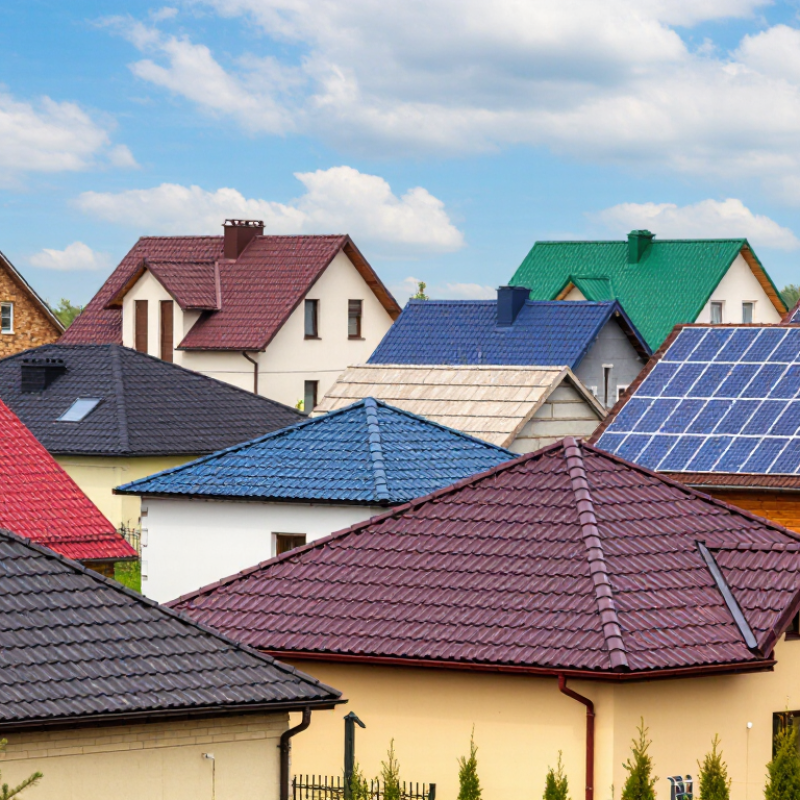
Shingle roof tiles are overlapping, relatively small roofing units fixed in rows across a sloped roof. Their stepped edges shed rain, while underlayment beneath them provides a second barrier. The word “tile” can be misleading: many shingles are flexible sheets, not rigid clay pieces. Classification usually considers material, construction, shape, and tested performance. Common material groups include asphalt, wood, slate, and metal. Asphalt shingles may be further described as three-tab or laminated, based on their visible layers and profile.
The Asphalt Roofing Manufacturers Association’s industry overview reports that asphalt shingles cover roughly 80% of U.S. homes. That figure explains their prevalence, but it does not make every asphalt product equivalent. ASTM D3462 sets requirements for fiberglass-based asphalt shingles, giving specifiers a technical reference beyond appearance. The National Roofing Contractors Association’s roofing guidance also treats slope, exposure, fastening, and roof details as essential installation considerations. Classification matters at the eaves, too: a thicker laminated shingle can create uneven courses if mixed carelessly with thinner units. Not quite interchangeable. Labels such as “architectural” are useful descriptions, yet they do not replace checking product specifications, wind ratings, and local climate needs. A roof’s real performance depends on the whole assembly, including flashing and ventilation—details that are easy to overlook.
Three-tab asphalt shingles are light and simple, with a flat, regular pattern. Architectural asphalt shingles are thicker and create deeper shadow lines. Wood shingles, often cedar, show natural grain but need careful maintenance. Slate shingles offer a crisp stone surface and can last for decades, though their weight may require stronger roof framing. Clay tiles have warm color and resist heat, but they can crack if walked on.
Concrete shingles imitate clay or stone at a generally lower material cost, yet they are also heavy. Metal shingles are lightweight and shed rain quickly; their sound and finish depend on the roof assembly. Composite shingles combine materials to mimic slate or wood, but product quality varies. Rubber shingles are flexible and often made from recycled material. Solar shingles generate electricity while covering the roof, though they need suitable sun exposure and electrical planning. Some are less visually seamless than expected.
The right choice depends on roof pitch, structure, weather, and repair access. A small sample can look different across a whole roof, especially in changing light. Ask a qualified roofer to check load capacity, underlayment, ventilation, and local installation requirements before choosing. Costs matter, but so do replacement difficulty and the availability of matching pieces years later.
Shingle costs vary with material, roof pitch, labor, and local availability, so compare installed estimates rather than material prices alone. Three-tab asphalt shingles are usually among the least expensive, with a typical service life of about 15–25 years. Architectural asphalt costs more but offers thicker layers and often lasts 20–30 years. Luxury laminated asphalt has a heavier profile and can approach 30–40 years, though the higher price may not suit every roof.
Wood shingles are sawn smooth; wood shakes are split and more textured. Both need careful moisture and fire-risk assessment, and often require more upkeep than asphalt. Slate can last many decades, but its high cost and substantial weight may require structural review. Clay tiles also endure well in suitable climates, yet they are heavy and can crack under impact. Very heavy.
Concrete tiles generally cost less than clay and offer strong weather resistance, but their weight and potential color fading matter. Metal shingles are light and shed snow effectively, though rain noise and denting deserve consideration. Synthetic slate aims to reduce weight and installation demands; its lifespan depends on product quality and exposure. No estimate is exact. Ask a qualified roofer to inspect decking, ventilation, and flashing, then compare warranties, repair access, and expected maintenance—not lifespan claims alone.
Compare typical installed cost per square foot with estimated service life. Bars show the midpoint of the cost range; the line shows a representative lifespan.
Typical U.S. estimates: 3-tab asphalt $3–$5/sq. ft. and 15–20 years; architectural asphalt $4–$8 and 20–30 years; premium asphalt $7–$12 and 25–40 years; wood shingles $6–$10 and 25–30 years; wood shakes $7–$13 and 30–40 years; metal shingles $8–$16 and 40–70 years; concrete tile $8–$18 and 50–75 years; clay tile $10–$25 and 50–100 years; synthetic slate $9–$18 and 40–50 years; natural slate $15–$30 and 75–100+ years. Actual costs and lifespan vary with location, installation, roof structure, climate, and maintenance.
Shingle choice should follow the home’s weather, roof structure, and maintenance capacity—not appearance alone. In hot, sunny regions, light-colored asphalt shingles or reflective metal shingles can limit heat gain. The U.S. Environmental Protection Agency’s cool-roof guidance reports that reflective roofs may reduce peak cooling demand by about 10–15% in suitable buildings. That is not a guaranteed household saving; insulation, ventilation, and local weather matter. A neat ranking can mislead.
In hail-prone areas, ask for tested impact-resistance ratings and check whether the roof deck can support heavier materials. Class 4 under UL 2218 is a recognized impact-test rating, though it does not mean a roof cannot be damaged. For coastal or windy locations, choose shingles with documented wind performance and careful edge fastening. In snowy climates, smooth metal shingles can shed snow quickly, so snow guards may be needed above entrances. Slate and clay tiles resist fire and weather well, but their weight can require structural review. Wood shingles offer a natural look, yet need more attention in damp or fire-prone settings. The U.S. Department of Energy notes that cool roof surfaces can be up to 50°F cooler than conventional roofs under strong sun. I would treat that as a surface-temperature comparison, not a promise of cooler rooms. Check local climate data and have a qualified roofer assess ventilation, slope, and load before choosing.
Choosing a shingle roof starts with climate, roof slope, and your repair budget. Asphalt shingles suit many homes, while wood, metal, slate, and composite options have different weight and upkeep needs. NAHB’s 2007 Study of Life Expectancy of Home Components estimates asphalt shingles at about 20 years and slate at 50 years or more. Treat those figures as planning guides, not promises. Sun exposure, ventilation, installation quality, and storm damage can change a roof’s lifespan. The report is useful, but its estimates are broad and now dated.
Before choosing a material, check local weather patterns and confirm the roof structure can support its weight. Ask a qualified roofer to inspect flashing, valleys, and attic ventilation, not just the visible shingles. Small details matter. NRCA’s Roofing Manual provides professional guidance on roof-system design and installation; follow the selected product’s maintenance instructions, too. After storms, look for lifted edges, cracked tabs, loose flashing, and granules collecting in gutters. Inside, check ceilings and attic sheathing for damp spots. Clear debris gently, and avoid pressure washing, which may damage shingles. Keep dated photos and inspection notes. I’d inspect twice yearly, though that routine can miss hidden problems; get a professional assessment when damage or leaks appear.
| Shingle Type | Typical Service Life | Main Advantages | Things to Consider | Practical Maintenance | Often Suited To |
|---|---|---|---|---|---|
| 1. Three-Tab Asphalt Shingles | About 15–25 years | Lightweight, widely available, and generally one of the lower-cost roofing options. | Usually have a flatter, more uniform appearance and may be less resistant to severe wind than heavier laminated products. Actual performance depends on the product, installation, and exposure. | Check for lifted, cracked, or missing shingles after major storms. Keep gutters clear and replace damaged pieces promptly. | Budget-conscious projects and straightforward roof designs. |
| 2. Architectural Asphalt Shingles | About 20–30 years | Laminated construction creates a more dimensional appearance; many products offer improved wind performance compared with basic three-tab shingles. | Heavier and typically more expensive than three-tab shingles. Check the product’s wind rating and installation requirements. | Inspect roof edges, flashing, and valleys periodically; remove debris without pressure-washing or damaging the granule surface. | Homeowners seeking a versatile balance of appearance, durability, and cost. |
| 3. Designer or Luxury Asphalt Shingles | About 25–40 years | Thicker profiles can imitate the look of slate or wood and provide a pronounced roof texture. | Higher material cost and weight than standard asphalt shingles. Confirm that the roof structure and installation system suit the selected product. | Use careful visual inspections; replace damaged shingles with compatible materials and maintain nearby flashing and drainage. | Projects where a premium appearance is desired without using natural stone or wood. |
| 4. Wood Shingles | About 20–30 years, with wide variation | Natural texture and color variation; individual pieces are relatively uniform in thickness and appearance. | Performance depends strongly on wood species, climate, ventilation, installation, and local fire regulations. Wood can be vulnerable to moisture, decay, and insects. | Keep the roof clear of leaves and branches, maintain good ventilation, and look for splitting, moss, and signs of decay. | Homes where a natural appearance is important and local conditions allow wood roofing. |
| 5. Wood Shakes | About 20–30 years, depending on conditions and upkeep | Hand-split or sawn pieces give a thicker, more rustic, textured appearance than wood shingles. | Uneven surfaces require appropriate detailing. Moisture management, fire requirements, and local building rules should be checked before installation. | Remove accumulated debris, keep roof valleys clear, and inspect regularly for moisture damage, splitting, and biological growth. | Traditional or rustic designs in locations where wood roofing is permitted. |
| 6. Natural Slate Shingles | Often 75–100+ years when properly selected and installed | Long-lasting natural stone with strong resistance to fire and a distinctive appearance. | Heavy and relatively costly; the structure must be suitable for the load. Slate quality and specialist installation are important. | Have a qualified roofer inspect cracked or slipped pieces and flashings. Avoid walking on slate, which can break under concentrated loads. | Buildings with adequate structural support and owners seeking a long-life natural roof. |
| 7. Synthetic Slate Shingles | Commonly about 30–50 years; product warranties and performance vary | Designed to resemble slate while generally weighing less and being easier to handle than natural slate. | Materials differ considerably. Review tested performance, fire and wind ratings, installation instructions, and long-term product support. | Inspect fasteners, edges, and flashings; follow the manufacturer’s cleaning guidance and avoid unapproved coatings. | Projects seeking a slate-like look with a lower roof load than natural stone. |
| 8. Metal Shingles | About 40–70 years, depending on metal and finish | Durable, relatively lightweight, and available in profiles that resemble traditional shingles or tiles. | Initial cost can be higher than asphalt. Correct underlayment, fasteners, flashing, and detailing are essential; sound during rain varies by assembly. | Check for loose fasteners, damaged coatings, and debris at valleys. Use compatible repair materials to reduce corrosion risk. | Owners seeking a long-lasting, lightweight roof and a range of styles. |
| 9. Composite or Recycled-Material Shingles | Often about 30–50 years; depends on the material and testing | Can combine recycled polymers, rubber, or other materials to imitate slate or wood, often with less weight than natural stone. | Products are not all alike. Compare independent test results, fire classification, wind performance, installation details, and warranty terms. | Use the specified cleaning method, clear drainage paths, and replace damaged pieces with compatible components. | Projects looking for a synthetic alternative with a particular appearance or material profile. |
| 10. Solar Shingles | Often around 20–30 years for the generating components; roof-system life varies | Generate electricity while integrating solar elements into the roof surface. | Higher upfront cost and more specialized design and installation than ordinary shingles. Output depends on roof orientation, shade, climate, and system design. | Monitor system output and have electrical and roof components inspected by qualified professionals. Keep the surface free of obstructive debris as advised. | New construction or reroofing where integrated solar generation is a priority. |
Choosing tip: Compare total installed cost, roof weight, local climate, fire and wind requirements, roof slope, ventilation, and the availability of qualified installers. Service-life figures are general estimates, not guarantees; product specifications, workmanship, weather exposure, and maintenance can change actual results.