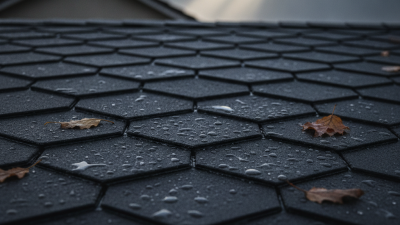
Why Are Old Roof Tiles Popular Worldwide?

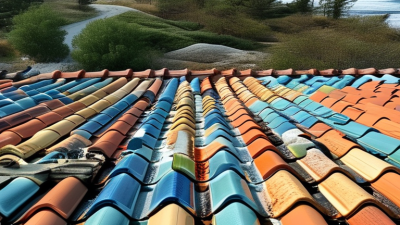
Why are old roof tiles popular worldwide? The answer begins with performance, not nostalgia. Well-fired clay tiles can withstand sun, rain, frost, and repeated seasonal change. Their uneven edges also create a warm, hand-finished appearance that new products often imitate. In villages across Europe, Asia, and Latin America, old roof tiles reflect local clay, traditional firing methods, and regional building habits.

Their environmental value is increasingly important. The United States Environmental Protection Agency reported about 600 million tons of construction and demolition debris in 2018, showing the scale of building waste. Reusing old roof tiles can reduce disposal, manufacturing demand, and the visual loss of historic streetscapes. The 2023 Global Status Report for Buildings and Construction also found that buildings and construction produced about 37% of global energy-related and process-related CO2 emissions in 2022. Reuse cannot solve that crisis alone. It still matters.

Carl Elefante, FAIA, a leading sustainable preservation architect, said, “The greenest building is the one already standing” (AIA, 2007). His principle also fits old roof tiles. Each recovered tile carries less hidden energy than a newly manufactured replacement. Some tiles last for generations. Others arrive cracked, porous, or poorly matched. That is the honest complication. Popularity does not guarantee quality. Careful inspection remains essential, especially before installation in wet, windy, or freezing climates. This article examines why old roof tiles remain desirable, valuable, and sometimes surprisingly practical worldwide.

Sources: U.S. Environmental Protection Agency, Construction and Demolition Debris Generation in the United States, 2018; UNEP/GlobalABC, 2023 Global Status Report for Buildings and Construction; American Institute of Architects, Carl Elefante, 2007.
Why Are Old Roof Tiles Popular Worldwide?

Definition and Historical Development of Old Roof Tiles

Why Are Old Roof Tiles Popular Worldwide?

Definition and Historical Development of Old Roof Tiles

Old roof tiles are traditional roofing pieces made mainly from fired clay, stone, or cement. Their curved or flat forms help shed rain and protect buildings from heat. Many early examples came from ancient China and Mediterranean settlements. Trade, migration, and local builders gradually carried these methods across regions.

In Mediterranean architecture, interlocking tiles became common because they suited dry, warm climates. Roman builders used flat tiles with raised curved covers, creating a practical drainage system. Later, European towns developed handmade tiles with uneven edges and deep red surfaces. In Asia, glazed tiles often protected important buildings from moisture. The surface tells stories.

Today, people value old tiles for their durability, texture, and connection to local history. I have seen reclaimed tiles vary in thickness, color, and strength, even within one roof. That variation can make repairs difficult. Some historical records are incomplete, so the exact origin of a tile may remain uncertain. This is worth admitting.

Tips: Check each tile for cracks, powdery surfaces, and hidden water damage. Compare its size with local roof patterns before restoration. Keep sound original pieces, but do not reuse weak tiles without professional inspection. A roof should look authentic and remain safe.

How Traditional Roof Tiles Are Made and Used

Traditional roof tiles begin with ordinary earth, but the making process demands patience and judgment. Clay workers remove stones, add water, and knead the mixture until it feels even. The clay is then pressed into wooden molds or shaped by hand. Some makers leave small surface marks. These marks show the human process. After shaping, tiles dry slowly under shade, often for several days. Fast drying can cause cracks.

A kiln hardens the tiles at carefully controlled temperatures. Firing changes soft clay into a durable roofing material. Some tiles remain plain terracotta, while others receive a mineral glaze before firing. The final color may range from warm red to dark brown. Traditional kilns are not perfectly uniform. A few tiles may emerge slightly bent, yet skilled roofers can place them effectively. That imperfection is worth noticing.

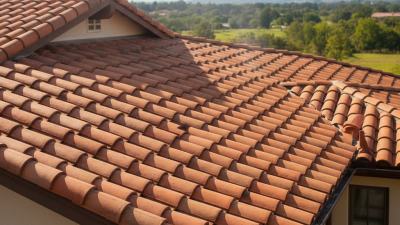
On a roof, overlapping tiles guide rain toward gutters and lower courses. Their curved profiles also create small air channels beneath the surface. This helps reduce heat in some climates, although performance depends on ventilation and insulation. Roofers usually replace broken pieces individually rather than removing the entire roof. Local weather matters greatly. Heavy rain, frost, salt air, and strong winds can shorten a tile’s service life. Traditional tiles remain useful, but they are not maintenance-free. Regular inspections reveal loose pieces, blocked channels, and cracked mortar before minor damage spreads.

Why Are Old Roof Tiles Popular Worldwide?

Traditional roof tiles remain popular because fired clay, slate, concrete, and wood can provide long service life, weather protection, and straightforward repair. The chart shows approximate midpoint service lives based on commonly reported ranges for traditional roofing materials.

Typical service life varies with climate, installation quality, maintenance, ventilation, and local building practices.

Why Old Roof Tiles Remain Durable and Valuable

Old roof tiles remain durable because fired clay changes permanently in the kiln. It becomes hard, water-resistant, and stable under sunlight. With proper installation, many clay and concrete tile roofs can last 50 years or longer, according to the U.S. Department of Energy’s Energy Saver guidance. The National Association of Home Builders’ Life Expectancy of Home Components report estimates that clay and concrete roofing may last around 100 years. These figures explain why reclaimed tiles still attract architects and homeowners worldwide.

Age alone is not proof. In field inspections, the strongest tiles usually have firm edges, consistent color, and no deep cracks. Their weathered surfaces can also reveal local climate history. A thin white deposit may suggest salt exposure, while moss can hide broken corners and trapped moisture. Reused tiles often retain matching dimensions from older buildings, making repairs more authentic than modern replacements. They also avoid part of the energy and material demand required to manufacture new roofing products.

Still, durability has limits. Freeze-thaw cycles, poor ventilation, and careless walking can shorten a tile roof’s life. The International Energy Agency’s reports on buildings repeatedly identify maintenance and renovation as important tools for reducing construction-related energy demand. That principle applies here, although it is easy to overstate the environmental benefit of every reclaimed tile. A qualified survey should check underlay, battens, fixings, and roof structure before reuse. The tile may be valuable. The hidden system may not be.

Why Are Old Roof Tiles Popular Worldwide? - Why Old Roof Tiles Remain Durable and Valuable

Dimension Typical Data or Range Why It Matters Practical Consideration
Common Materials Fired clay, concrete, and natural slate are the main materials found in older roofs. These materials are mineral-based, non-combustible, and generally resistant to ultraviolet radiation. Condition depends on the original manufacturing quality, installation, weather exposure, and previous repairs.
Expected Service Life Clay and concrete tiles commonly last about 50–100 years; well-maintained natural slate roofs can last 75–100 years or more. A long service life reduces the need for repeated roof replacement and preserves historic building character. These are general ranges, not guarantees. The supporting roof structure and fixings may require attention before the tiles do.
Durability of Fired Clay Properly fired clay becomes a hard ceramic material with low biological decay. Clay does not rot and can remain stable through many years of sun, rain, and temperature changes. Freeze–thaw cycles, impact, and water absorption can still cause cracking or surface flaking in vulnerable tiles.
Weather Resistance Tiles provide effective protection against rain and sunlight when correctly overlapped and installed. The overlapping design helps shed water while the dense surface resists weathering. Broken tiles, blocked valleys, damaged underlay, and poorly sealed flashings can lead to leaks even when most tiles remain sound.
Thermal Performance Individual tiles have limited insulation value, but the roof assembly can provide ventilation and heat buffering. Air movement beneath tiles can help remove moisture and reduce heat accumulation in some roof designs. Insulation performance depends mainly on the roof space, underlay, ventilation, and ceiling insulation rather than the tile alone.
Typical Weight Clay and concrete tile roofs often weigh approximately 35–60 kg per square metre, depending on the tile profile and spacing. The mass can improve resistance to wind uplift when the roof is properly designed and fixed. An engineer or qualified roofer should confirm that an older structure can safely carry reclaimed tiles.
Repairability Individual damaged tiles can often be replaced without removing the entire roof. Localized repair extends the useful life of the roof and reduces material waste. Replacement tiles should match the original size, profile, fixing method, and exposure requirements.
Reuse Potential Sound reclaimed tiles can be reused in compatible restoration, extension, landscaping, and interior design projects. Reuse preserves embodied energy and keeps durable materials out of disposal streams. Each tile should be inspected for cracks, excessive porosity, frost damage, and weakened edges before reuse.
Historic and Visual Value Natural variation in color, patina, handmade marks, and weathering often increases the visual appeal of older tiles. These characteristics can help retain the architectural identity of traditional buildings and historic districts. Local planning or heritage requirements may restrict the replacement or removal of original roofing materials.
Environmental Advantage Reusing existing tiles avoids the extraction, manufacturing, transport, and disposal associated with producing new materials. The long life and repairability of tiles can reduce replacement frequency and construction waste. Environmental benefits depend on transport distance, cleaning methods, breakage rates, and the condition of the reclaimed tiles.
Maintenance Needs Routine checks are commonly needed for cracked or displaced tiles, flashing, valleys, gutters, and roof fixings. Early maintenance helps prevent small defects from becoming structural or water-related damage. Walking directly on fragile or historic tiles can cause breakage; inspections should use safe professional methods.
Factors Affecting Value Age alone does not determine value. Condition, rarity, size, profile, color, quantity, and local demand are important. Well-preserved tiles that match a specific historic roof may be more useful than newer but incompatible replacements. Market value varies considerably by region, and reclaimed tiles should be assessed individually rather than priced solely by age.
Main Risks Common problems include frost damage, impact cracks, porous surfaces, corrosion of fixings, and movement of the supporting structure. Identifying these risks explains why some old tiles remain serviceable while others fail prematurely. A professional inspection is recommended before purchase, reuse, or major roof repairs.

Data represents general industry ranges and building-conservation guidance. Actual performance depends on material quality, climate, roof design, installation, maintenance, and structural condition.

Cultural and Architectural Meaning Across Regions

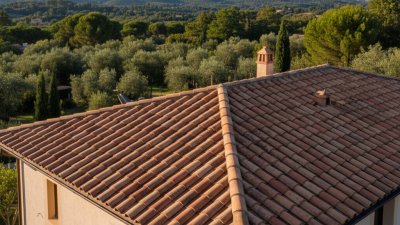
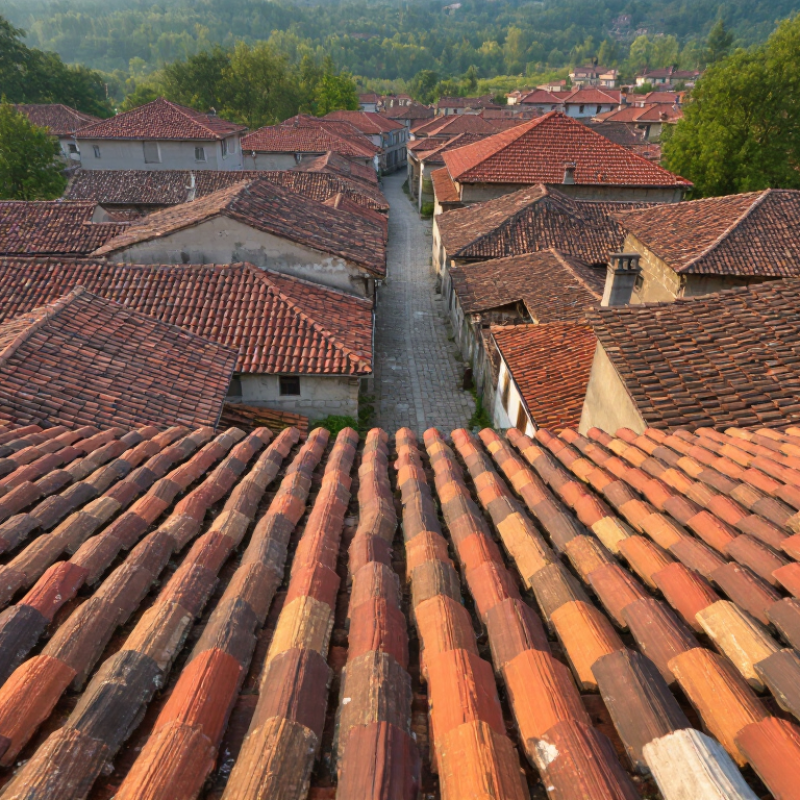
Old roof tiles remain popular because they carry regional memory. In Mediterranean villages, terracotta tiles reflect sunlight and create warm, irregular rooflines. In East Asia, curved ceramic tiles historically expressed order, status, and protection. Northern European homes often used slate or fired tiles for weather resistance. These materials are not merely surfaces. They show how communities adapted architecture to climate, craft, and belief.

The International Energy Agency reported that building operations used about 30% of global final energy in 2022. Its data strengthens the case for durable materials and careful renovation. The 2023 Global Status Report for Buildings and Construction also linked buildings and construction to 34% of global energy demand and 37% of energy-related emissions. Reusing sound tiles can reduce replacement work, transport, and material waste. Historic preservation guidance from national conservation authorities repeatedly supports repair before removal, when safety allows.

However, old does not automatically mean better. Some tiles crack under frost, absorb water, or hide weak timber beneath them. That assumption deserves scrutiny. In practical restoration work, I would inspect each tile, not trust its appearance. A hand-marked tile may preserve a local firing method, yet a modern replacement may perform better in severe weather. Cultural meaning and technical performance must negotiate with each other. That tension explains why old roof tiles remain valuable, but never universally suitable.

Environmental and Practical Benefits of Reusing Roof Tiles

Old roof tiles remain popular worldwide because reuse connects environmental care with practical building sense. Salvaged clay or concrete tiles can avoid disposal and reduce demand for newly fired materials. Manufacturing requires heat, energy, and raw minerals. A weathered tile also carries useful evidence. Its surface may show how it handled rain, frost, and strong sunlight. In my experience, that history helps homeowners choose materials realistically, not romantically. Old does not always mean better.

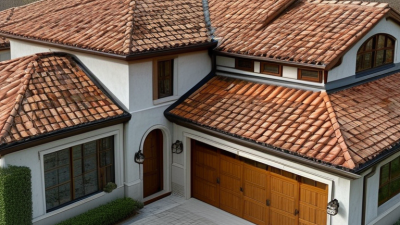
Reusing tiles can preserve a home’s character while lowering material costs. Many pieces suit repairs, garden paths, sheds, and small architectural details. Their uneven color often creates a warmer roof than a uniform new batch. However, age can hide weakness. Hairline cracks, porous edges, and damaged fixing holes may cause leaks during heavy weather. A qualified roofer should inspect samples, dimensions, weight, and local requirements. Reliable reuse also depends on gentle cleaning. Harsh methods can damage the surface. Some tiles will fail. That is normal, and extra pieces prevent rushed substitutions.

Tips: Sort tiles before installation. Tap each piece gently and reject dull, fractured sounds. Keep a small reserve for future repairs. Check underlayment and fasteners, not only visible tiles. Photograph the roof before work begins. It makes maintenance easier. I would also question every claimed saving; transport and sorting can reduce the environmental benefit. Reuse works best when durability, safety, and local weather guide the decision.