What Are the Best Types of Black Roof Tiles from China?

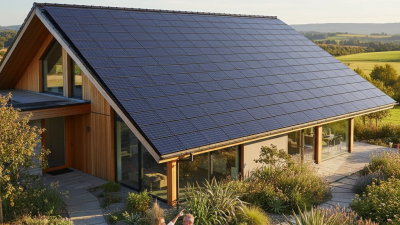
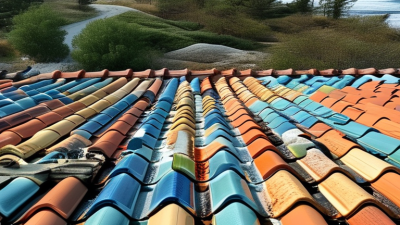
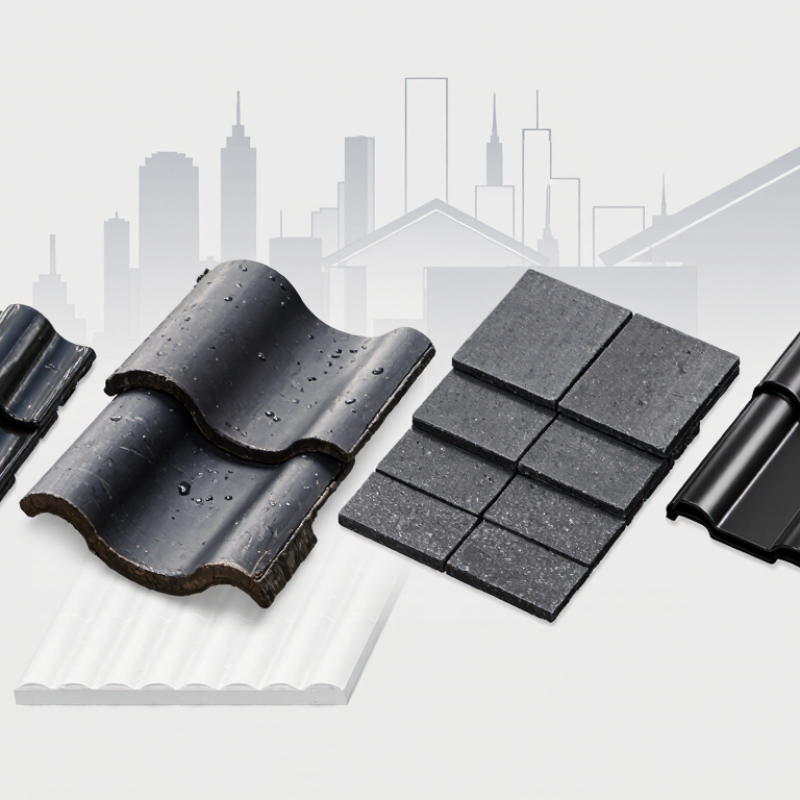
Choosing the best black roof tiles from China requires more than comparing photographs and factory prices. China produces several practical options, including glazed ceramic tiles, unglazed clay tiles, concrete tiles, and modern composite products. Each type creates a different roof appearance and performance profile. A glossy black ceramic tile can reflect afternoon light like polished stone. A matte charcoal tile may provide a quieter, more contemporary finish. The right choice depends on climate, roof slope, building structure, maintenance expectations, and local installation requirements.

Performance matters more than appearance alone. Experienced buyers should examine water absorption, frost resistance, color stability, dimensional accuracy, and breaking strength. Supplier certificates are useful, but independent testing and physical samples provide stronger evidence. A tile that looks perfect in a showroom may show shade variation after several seasons. That possibility deserves attention. Ask manufacturers for production records, quality-control procedures, packaging details, and references from comparable projects. Confirm whether the factory produces consistently or relies on different subcontractors.

There is no universal winner.

Glazed black roof tiles often suit projects requiring rich color and easier surface cleaning. Unglazed clay tiles can offer a softer, natural texture, although weathering may become more visible. Concrete tiles may provide competitive pricing and strong structural performance, but their pigment quality requires careful evaluation. Before ordering, compare samples under direct sunlight, cloud cover, and wet conditions. Also review wind-load requirements, delivery protection, replacement availability, and installer experience. A reliable decision balances visual character, tested durability, long-term cost, and honest communication with the Chinese supplier.
What Are the Best Types of Black Roof Tiles from China?

Black Clay Roof Tiles: Traditional Chinese Craftsmanship and Uses

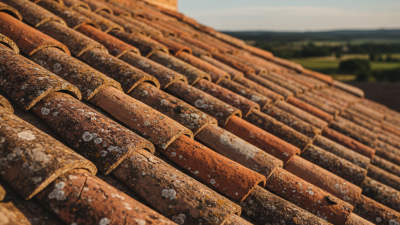
Black clay roof tiles from China reflect a building tradition shaped by fire, water, and patient handwork. Craftspeople select fine clay, remove stones, and press it into curved or flat forms. The tiles are then dried slowly before high-temperature firing. This stage matters. Uneven drying can create hidden cracks.

Many traditional black tiles receive their color through reduction firing, rather than surface paint. Limited oxygen changes the fired clay’s tone from warm red to charcoal black. Some pieces show soft gray edges or slight tonal differences. That variation is often a sign of handmade production, not a defect. Still, excessive inconsistency may indicate poor firing control.

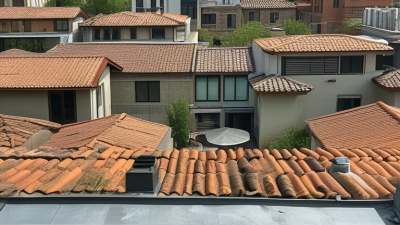
These tiles appear on courtyard homes, temples, garden pavilions, and historic walls. Their curved profiles help guide rainwater, while overlapping rows protect the timber beneath. Flat black tiles suit simpler roof lines and can create a quieter architectural appearance. In restoration projects, matching the original size, thickness, and surface texture is more important than choosing the darkest color.

From a practical viewpoint, I would check water absorption, frost resistance, dimensional accuracy, and edge strength before installation. A beautiful tile can still fail under repeated freezing or careless handling. Traditional craftsmanship deserves respect, but tradition alone does not guarantee performance. Proper slope, ventilation, underlayment, and skilled placement remain essential. Expect small differences between batches. That is part of the material’s character, and sometimes its weakness.

Black Glazed Ceramic Tiles: Features, Styles, and Durability

What Are the Best Types of Black Roof Tiles from China?

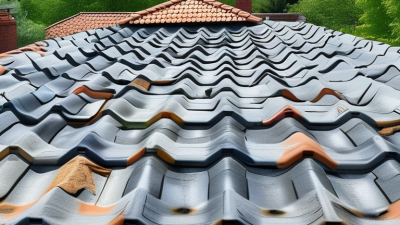
Black glazed ceramic tiles combine a colored ceramic body with a protective glass-like surface. Their deep finish can resemble slate, charcoal, or polished stone. High-gloss styles reflect light, while matte surfaces create a quieter roofline. Textured finishes can hide minor dust better. They look dramatic.

According to Grand View Research, the global ceramic tiles market was valued at approximately USD 227.7 billion in 2023. This growth reflects continued demand for durable, low-maintenance surfaces. However, market size does not prove product quality. Buyers should request test reports for water absorption, frost resistance, breaking strength, and surface wear. ISO 13006 classifies porcelain tiles at water absorption of 0.5% or less. Standard glazed ceramic tiles may absorb more water, so roof suitability requires careful verification.

During inspections, I would check glaze pinholes, edge alignment, shade consistency, and visible warping. A black surface reveals white mineral deposits after rain. It can also show scratches more clearly than brown or red tiles. Matte black often performs better visually in dusty areas. For cold regions, ask for freeze-thaw results under ISO 10545-12 or ASTM C1026. Sample tiles should be viewed in direct sun and after wetting. One sample is not enough. Batch variation remains a practical concern. A chipped glazed edge may expose the lighter ceramic body, weakening the intended appearance. Manufacturers should provide production records, packaging details, and independent laboratory results before shipment.

What Are the Best Types of Black Roof Tiles from China?

Black Glazed Ceramic Tiles: Features, Styles, and Durability

The chart shows indicative service-life ranges commonly associated with well-fired, properly installed black glazed ceramic roof tiles. Interlocking and S-profile tiles often achieve longer practical service lives because their overlapping design improves water drainage and wind resistance. Actual durability depends on firing quality, glaze integrity, roof pitch, freeze-thaw exposure, installation, and maintenance.

Black Concrete Roof Tiles: Performance, Costs, and Applications

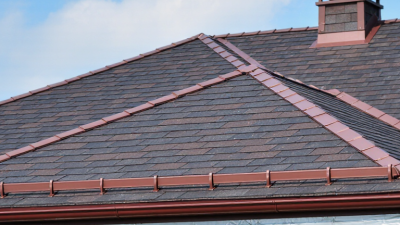
Black concrete roof tiles from China are available in several practical forms. Through-colored tiles keep their tone after minor surface wear, while coated tiles offer a deeper, more uniform black. Matte finishes reduce glare on sunny roofs. Interlocking profiles can improve water shedding and simplify installation.

Performance depends on density, curing, and quality control. Good tiles should show consistent dimensions, low water absorption, and resistance to freeze-thaw cycles. Ask suppliers for test records covering strength, absorption, color durability, and wind resistance. A tile may look excellent in a sample box but behave differently across a large shipment. That gap deserves attention.

Costs include more than the factory price. Freight, pallets, breakage allowance, underlayment, battens, fasteners, and local labor can change the final budget. Heavier concrete tiles may require stronger roof framing. For villas, apartments, garden buildings, and commercial projects, black tiles create a clean architectural contrast. Coastal sites need careful checks for salt exposure and secure fixing.

Tips: Request full-size samples, not only small chips. Confirm tile weight per square meter. Check replacement availability before ordering. Inspect several cartons for shade variation. If the darkest finish matters, test a sample outdoors for several weeks. I would not trust a low quote without reviewing packaging and inspection details. Small savings can become expensive repairs.

Black Metal Roof Tiles: Materials, Coatings, and Installation Benefits

What Are the Best Types of Black Roof Tiles from China?

Black metal roof tiles from China are commonly made from galvanized steel, zinc-aluminum coated steel, or aluminum. Zinc-aluminum steel offers strong corrosion resistance with lower weight. Aluminum performs well near coastal air, but it usually costs more. The U.S. Department of Energy reports that quality metal roofing can last 40–70 years, compared with roughly 12–20 years for asphalt shingles.

Coating quality matters greatly. Polyester coatings suit budget projects, while silicone-modified polyester provides better color retention. High-performance fluoropolymer coatings generally resist ultraviolet exposure, chalking, and moisture more effectively. Black surfaces absorb heat, though. Infrared-reflective pigments can reduce solar heat gain without changing the visible color. The Cool Roof Rating Council evaluates solar reflectance and thermal emittance, not appearance alone. This distinction is easy to miss.

Installation benefits are practical. Interlocking panels can cover large areas quickly, reducing seams and installation time. Hidden fasteners create a cleaner surface and limit exposed screw corrosion. A ventilated roof assembly can also reduce trapped heat beneath the tiles. The U.S. Department of Energy notes that cool roofing may lower peak cooling demand by 10–15% in suitable buildings. That figure is not universal. Climate, insulation, roof pitch, and attic ventilation change the result.

In my experience, buyers often focus on the black finish first, then discover that substrate thickness, coating warranty terms, and flashing details matter more. A beautiful tile can still fail when installation is careless.

How to Choose the Best Chinese Black Roof Tile for Your Project

Choosing the best Chinese black roof tile starts with your project conditions, not appearance alone. Glazed ceramic tiles offer a clean, deep color and resist surface staining. Porcelain tiles usually provide lower water absorption and stronger frost resistance. Traditional clay tiles create a warmer, handmade look, but shade variation may occur between batches. Black-coated metal tiles are lighter, yet their finish can fade or scratch if poorly protected.

Consider your local climate, roof pitch, structure, and installation method. In snowy areas, confirm frost-resistance test results and use a secure fixing system. In hot regions, ask about heat performance and color stability. A very glossy black surface may show dust, salt marks, and small scratches more clearly than a matte finish. I have found that sample boards can look different under sunlight. Do not judge from indoor photos.

Tips: Request physical samples from several production batches. Check water absorption, breaking strength, dimensional tolerance, and coating thickness. Ask for independent test reports, packing details, and installation guidance. Measure the roof load before choosing heavier clay or ceramic products. Leave room for natural color variation. A perfect match is not always realistic. Verify that the supplier can explain replacement procedures and quality checks in writing. Sample approval should happen before mass production.

What Are the Best Types of Black Roof Tiles from China? - How to Choose the Best Chinese Black Roof Tile for Your Project

Black Roof Tile Type Common Material and Finish Typical Appearance Indicative Weight Typical Water Resistance Expected Service Life Recommended Roof Pitch Main Advantages Key Considerations Suitable Project Applications
Black Glazed Ceramic Tile Fired clay with a glass-like black glaze applied to the surface Uniform, reflective black surface with strong color consistency Approximately 35–50 kg/m², depending on profile and coverage Very good surface resistance when the glaze is continuous and properly fired Commonly 50–75 years or more when correctly installed and maintained Often 25–35°, subject to tile profile, underlayment, and local building codes Rich appearance, easy surface cleaning, good resistance to staining and fading Gloss level, glaze quality, color variation, freeze-thaw performance, and edge damage should be checked before purchase Residential villas, premium housing, traditional-style buildings, and decorative roof renovations
Matte Black Clay Tile Natural clay with a matte engobe, slip coating, or dark mineral surface treatment Low-reflective black or charcoal appearance with a natural texture Approximately 35–50 kg/m², depending on tile size and overlap Good resistance when the tile body is well fired; the exact result depends on absorption and installation Commonly 50–75 years or more under suitable climatic conditions Usually 25–35°, but the required pitch varies by tile design Natural appearance, reduced glare, good color depth, and compatibility with traditional architecture Dark matte finishes may show dust, efflorescence, or installation marks more easily than glazed surfaces Modern traditional homes, courtyard buildings, cultural projects, and low-glare architectural designs
Through-Body Black Ceramic Tile Clay or ceramic body colored throughout with dark mineral pigments before firing Consistent dark color through the tile body, usually with a satin or matte finish Approximately 35–50 kg/m² Generally good if the tile has low and consistent water absorption Commonly 40–70 years, depending on firing quality, climate, and maintenance Usually 25–35°, subject to the interlocking design and installation instructions Minor scratches and small edge chips are less visually noticeable than on a surface-coated tile Color uniformity, pigment stability, dimensional accuracy, and resistance to frost should be verified Contemporary residential roofs, commercial buildings, and projects requiring a uniform dark roof surface
Black Concrete Roof Tile Cement, aggregates, water, and mineral pigments; may have a molded, coated, or sealed surface Usually flat, low-profile, or interlocking with a matte or lightly textured finish Approximately 40–55 kg/m², depending on thickness and tile profile Good when the concrete is dense and the surface drainage is well designed Commonly 40–60 years, with periodic inspection and maintenance Often 17.5–25° for interlocking profiles; always follow the tested system requirements High dimensional consistency, strong impact resistance, competitive cost, and efficient installation for interlocking designs Color can weather over time; the roof structure must be checked for the higher dead load compared with some lightweight systems Large residential developments, commercial buildings, apartment projects, and cost-sensitive construction
Natural Black Slate Tile Natural metamorphic stone, typically split or sawn into roofing pieces Deep charcoal to black with natural variation, layered texture, and a premium appearance Approximately 25–40 kg/m², depending on thickness and installation method Very good when the slate has low water absorption and is correctly graded Commonly 75–100 years or more for suitable roofing-grade slate Often 25–40°, depending on slate size, exposure, fixing method, and local codes Long service life, natural color, excellent weather resistance, and strong architectural character Higher material and installation cost; thickness, splitting quality, fastener compatibility, and structural loading require careful review High-end villas, heritage-style buildings, luxury developments, and long-life roofing projects
Black Fiber-Cement Roof Tile Fiber-reinforced cement sheet or tile with a molded or pigmented black surface Thin, lightweight, and generally matte with a slate-like or smooth profile Approximately 12–25 kg/m², depending on thickness and format Good when installed with correct laps, flashings, and waterproof underlayment Commonly 30–50 years, depending on product quality and exposure Often 20–30°, subject to the product system and local regulations Lower structural load, relatively simple handling, and suitability for renovation projects Edges can be vulnerable during handling; cutting dust, fastener selection, ventilation, and weather detailing are important Renovations, lightweight structures, garages, agricultural buildings, and projects with limited roof-load capacity
Indicative values only. Actual performance depends on the tile standard, product profile, test results, roof design, climate, installation method, underlayment, ventilation, and maintenance. Before ordering, request technical data for water absorption, freeze-thaw resistance, wind resistance, breaking load, dimensional tolerance, color durability, and applicable compliance certificates.