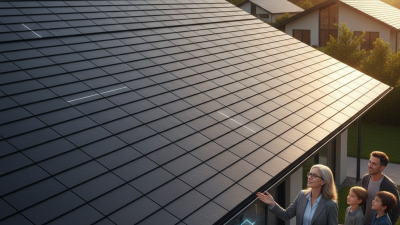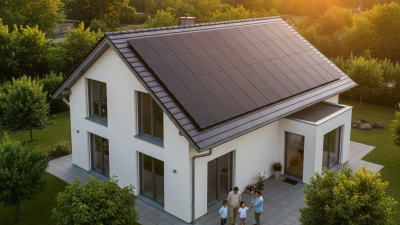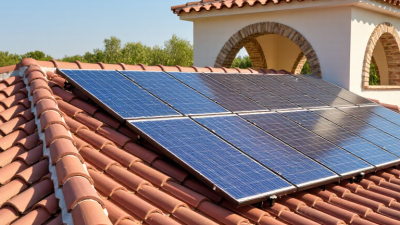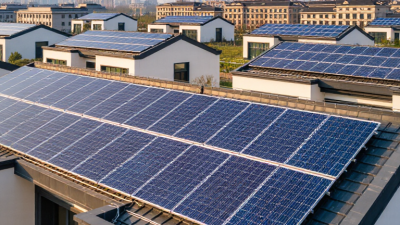
Choosing integrated solar roof tiles is not simply a matter of comparing prices. Buyers must weigh roof design, energy needs, installation expertise, warranties, and local climate. At Tesla’s 2016 Solar Roof unveiling, CEO Elon Musk described the idea in four words: “It’s the roof. It’s not a thing on the roof.” The line captures the appeal: solar generation can become part of the roof’s visible surface, rather than an added panel array.
But appearance is only one measure. A dark, smooth tile may look striking in a product photo, yet real performance depends on system specifications, roof orientation, shading, and workmanship. Ask for independently verifiable power ratings and clear warranty terms. Check whether qualified installers are available where the property stands. A tile system can also involve higher installation complexity than conventional rooftop panels. That matters.
This guide compares options for global buyers by examining design, output, durability, compatibility, and support. Product availability and certification vary by market, so confirm details with manufacturers and local professionals before committing. Request an itemized quote, including roofing work and electrical components. Then compare the full installed cost, not just the tile price. There is no universal winner. A compelling design may suit one home, while another needs easier repairs or a broader installer network. Some comparisons remain imperfect because specifications and test conditions are not always presented consistently. Buyers should notice that gap, not ignore it.
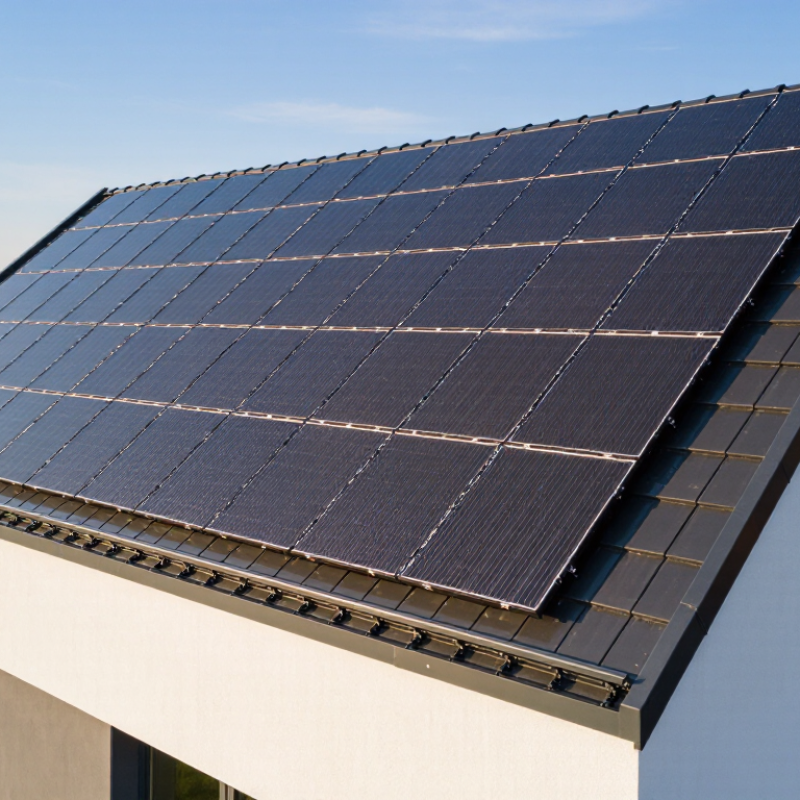
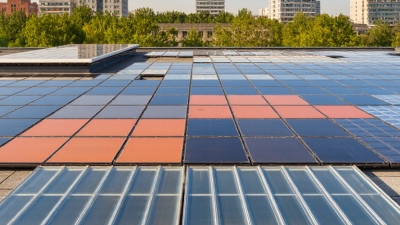
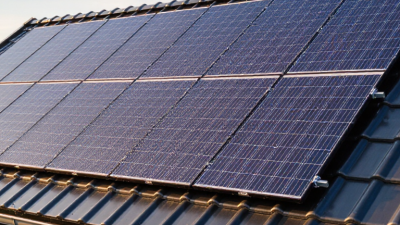
Integrated solar roof tiles generate electricity while serving as part of the roof’s weatherproof covering. Conventional panels sit above an existing roof on rails, leaving the roofing material underneath intact. Tiles instead form the visible roof surface, so their electrical connections, flashing, and water management must work together. The distinction matters during installation and repairs.
The market context is expanding. IEA PVPS reported that global cumulative photovoltaic capacity reached about 1.6 terawatts by the end of 2023. That figure covers all PV systems, not solar tiles alone. Integrated tiles can offer a cleaner roofline, but their output depends on roof orientation, shade, and usable area. Individual tiles may also produce less power than a large panel, requiring careful layout. A neat appearance is not a performance guarantee.
Tips: Ask for tested power output, roof-system details, and service procedures. Check how damaged tiles are replaced and how installers handle flashing around skylights and chimneys. Compare the complete roof cost, not just the tile price. It is easy to focus on appearance; maintenance access deserves equal attention.
Solar roof tiles turn sunlight into usable electricity through photovoltaic cells built into weatherproof roofing units. When photons strike semiconductor layers, they release electrons and create direct current. Conductive wiring carries this current to an inverter. The inverter changes it into alternating current for household appliances. On a bright roof, output can support daytime loads such as refrigeration, ventilation, and water heating. Performance depends on roof angle, local sunlight, temperature, and shading from trees or chimneys. Small details matter.
Excess electricity can charge a battery through a managed energy system. The battery stores energy chemically and releases it later, often after sunset or during a grid interruption. A battery controller limits unsafe charging and monitors temperature, voltage, and remaining capacity. Storage size should match real consumption, not optimistic estimates. A household using most power at noon may need less storage than an evening-heavy household. Grid rules and backup requirements also vary by country, so qualified local installers should verify the design.
Integrated tiles look cleaner than many rack-mounted panels, but their output can be harder to inspect or replace. If one section is shaded, damaged, or poorly ventilated, service access may become inconvenient. That trade-off deserves attention. Buyers should request production estimates based on local weather data, roof plans, and documented testing. Ask how replacement tiles, inverters, batteries, and monitoring systems will be supported over time. Real roofs are rarely perfect, and forecasts can be wrong. Leave room for maintenance.
Representative technology comparison based on commonly available integrated photovoltaic roofing specifications
| Integrated Roof Tile Type | Typical Rated Power per Tile or Module | Typical Conversion Efficiency | Expected Service Life | Best Application | Electricity and Storage Characteristics |
|---|---|---|---|---|---|
| Monocrystalline photovoltaic tiles | Approximately 50–100 W per tile; larger connected modules may provide 300–450 W | Approximately 18%–23% | 25–30 years of power generation; roof materials may last longer with proper maintenance | Residential roofs requiring high output from limited roof area | Produces direct current that is converted to household alternating current through an inverter. Excess electricity can charge a compatible battery system. |
| Thin-film photovoltaic roofing tiles | Approximately 30–80 W per tile or panel section | Approximately 10%–18% | 20–25 years, depending on encapsulation and installation quality | Large roof surfaces, lightweight structures, and designs requiring improved low-light performance | Can generate electricity under diffuse light, although a larger roof area is normally needed for the same output. Battery charging requires a solar charge controller or hybrid inverter. |
| Solar slate-style roofing tiles | Approximately 30–80 W per active tile or integrated unit | Approximately 15%–22% | 25–30 years for the photovoltaic layer under standard warranty conditions | Renovations or new builds where a slate appearance is preferred | Multiple tiles are wired into strings or power-electronics units. Stored energy is usually supplied by lithium-ion batteries through a hybrid inverter. |
| Solar asphalt-shingle systems | Approximately 50–100 W per photovoltaic shingle or module | Approximately 15%–20% | 20–30 years, depending on the roofing substrate and climate | Homes using asphalt-style roofing in moderate climates | Generates electricity through photovoltaic cells embedded in or attached to shingles. Excess generation can be exported to the grid or stored in a coupled battery. |
| Glass-glass photovoltaic roof tiles | Approximately 40–100 W per tile, depending on tile dimensions and cell layout | Approximately 17%–23% | 25–30 years; glass encapsulation can improve resistance to moisture and ultraviolet exposure | Projects prioritizing durability, fire resistance, and a uniform roof appearance | Produces electricity from sunlight and typically uses string inverters, microinverters, or power optimizers. Battery storage is added as a separate electrical system. |
Photovoltaic cells inside the tiles absorb sunlight and create direct-current electricity. An inverter converts this electricity into alternating current for household appliances. The system can supply on-site loads first, export surplus power to the grid, or direct surplus power to a battery.
Solar roof tiles do not normally store electricity by themselves. A separate battery, commonly using lithium-ion chemistry, stores excess energy through a hybrid inverter or battery inverter. Usable battery capacity is lower than the nameplate capacity because systems retain a reserve and experience conversion losses.
A 5 kW integrated solar roof system may produce roughly 10–25 kWh per day under favorable conditions. Actual output depends on solar irradiation, roof orientation, shading, temperature, system losses, local weather, and seasonal daylight availability.
Note: The figures shown are representative industry ranges rather than specifications for a particular company or brand. Actual performance varies by product design, climate, installation quality, and local operating conditions.
Integrated solar roof tiles should be compared as both roofing and power equipment. Check rated output per square metre, then ask how much usable roof area remains after hips, valleys, vents, and shaded sections. A high rating on paper may deliver less on a complex roof. Small details matter.
Review temperature performance, expected degradation, and the system’s monitoring options. Tiles can produce less power on hot days, so compare temperature coefficients under the same test conditions. Ask for documented results, not only estimates. Also check how the tiles connect to inverters and whether one faulty section can be isolated without disrupting the whole array.
The roof must keep out water. Request details on flashing, drainage paths, wind resistance, and the tested roof assembly—not just the tile itself. Snow and wind loads vary by location, so confirm the design suits the project site. Look closely at warranty coverage for both roofing and electrical components; exclusions can be easy to miss. Installation quality is another performance factor. A carefully aligned system may look excellent, but workmanship and future repair access deserve equal attention. Comparisons are imperfect when manufacturers use different test methods. I would treat any single efficiency figure with caution and compare complete system documents before choosing.
Key Performance Factors for Comparing Tile Systems
The chart shows representative efficiency ranges for common integrated solar roof tile technologies. Higher efficiency can provide more power from limited roof space, while actual annual output also depends on solar radiation, roof orientation, shading, temperature, ventilation, inverter losses, and local installation conditions. Values are indicative industry ranges rather than brand-specific specifications.
Top Integrated Solar Roof Tiles for Global Buyers
The best integrated solar roof tiles depend on regional standards, roof design, and local weather. A product approved in one country may need additional testing elsewhere. Check current electrical, structural, fire, and grid-connection requirements before ordering. Relevant testing may include IEC 61215 and IEC 61730, but local authorities still control acceptance.
Installation details matter as much as panel efficiency. The roof must support the system, manage water, and allow safe cable routing. Steep roofs, fragile underlayment, and complex valleys can increase labor costs. In snowy regions, confirm snow-load ratings and drainage paths. Coastal homes need strong corrosion protection. Hot climates require ventilation beneath the tiles. Freeze-thaw areas need durable seals and flexible mounting points. A beautiful roof is not automatically a reliable solar roof.
Tips: Ask for test certificates, fire classifications, wind and hail ratings, and written warranty terms. Use a licensed local installer familiar with integrated systems. Request a roof inspection before purchase. Measure shading during different seasons, not only at midday. Confirm replacement tiles will remain available. This is easy to overlook. I would also compare lifetime maintenance costs, because lower installation prices can hide difficult repairs. Keep final approval with the local building and electrical authorities.
For global buyers, evaluating integrated solar roof tile suppliers requires more than comparing wattage. Look beyond the brochure. Request production records, independent test reports, and installation references from similar climates. A supplier should explain module efficiency, fire rating, wind resistance, hail performance, and expected degradation. Ask whether tests cover the complete roof system, not only the solar cell.
Total cost begins with the delivered price, but it does not end there. Build a landed-cost sheet covering packaging, ocean freight, insurance, customs duties, local taxes, storage, and roof installation. Include inverters, mounting parts, monitoring equipment, spare tiles, and replacement labor. A low unit price can become expensive when a project needs unusual flashing or imported technicians. Check warranty terms carefully. Confirm who handles claims, where replacement stock is held, and how response times are measured.
Supplier reliability also depends on communication. Request a sample roof section before placing a large order. Compare its weight, tile alignment, cable routing, and water drainage under real installation conditions. Verify annual capacity, quality-control procedures, and material traceability through an audit or video inspection. Forecasts may still be wrong. Weather, currency changes, and local labor shortages can disrupt the budget. I would leave a clear contingency allowance rather than trust a perfect spreadsheet. That small admission often produces a more realistic procurement decision.