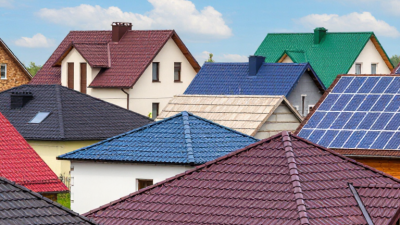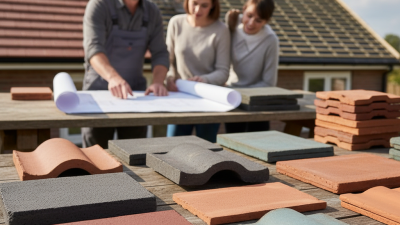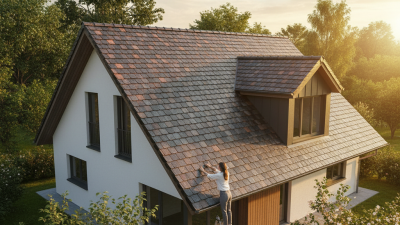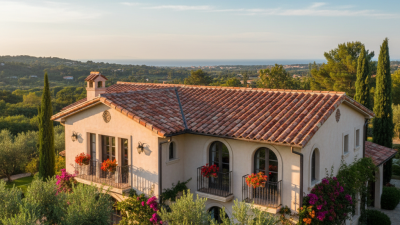
In 2026, the best modern roof tiles are not simply the ones with the sharpest profile or darkest finish. They must suit the building, local weather, roof structure, and budget. Concrete, clay, slate, and composite options each bring different trade-offs in weight, maintenance, lifespan, and appearance. A sample tile in your hand can look very different from a full roof under afternoon sun.
Architect Frank Lloyd Wright’s words offer a useful design principle: “No house should ever be on a hill or on anything. It should be of the hill. Belonging to it. Hill and house should live together, each the happier for the other.” His quote is about architecture, not a specific roofing product. Still, it reminds us to consider how a tile’s color and shape relate to the home and its setting.
This guide compares modern roof tiles by practical criteria, including durability, installation needs, energy performance, and verified warranty details. It also considers how climate and roof pitch can narrow the options. Looks matter. So does weight. Manufacturer claims deserve a careful check against product specifications and qualified installer advice. There is no universal winner, and some choices involve compromises. A premium finish may cost more; a lightweight product may not suit every project. Even a well-researched guide has limits: product ranges change, and local conditions matter. The aim here is to help you ask better questions before choosing.
In 2026, the best modern roof tile depends on your climate, roof structure, budget, and energy goals. Clay tiles bring warm color and a long service life when properly installed. Their curved profiles shed rain effectively, but they can crack under impact and add substantial weight. That weight matters. A qualified installer should check the roof structure before work begins.
Concrete tiles offer a broad range of colors and shapes, often at a lower initial cost than clay or slate. They are durable, though their finish may fade over time, and their weight also requires a structural assessment. Natural slate has distinctive texture and excellent longevity, but it costs more and needs skilled installation. Repairs can be difficult if matching pieces are unavailable.
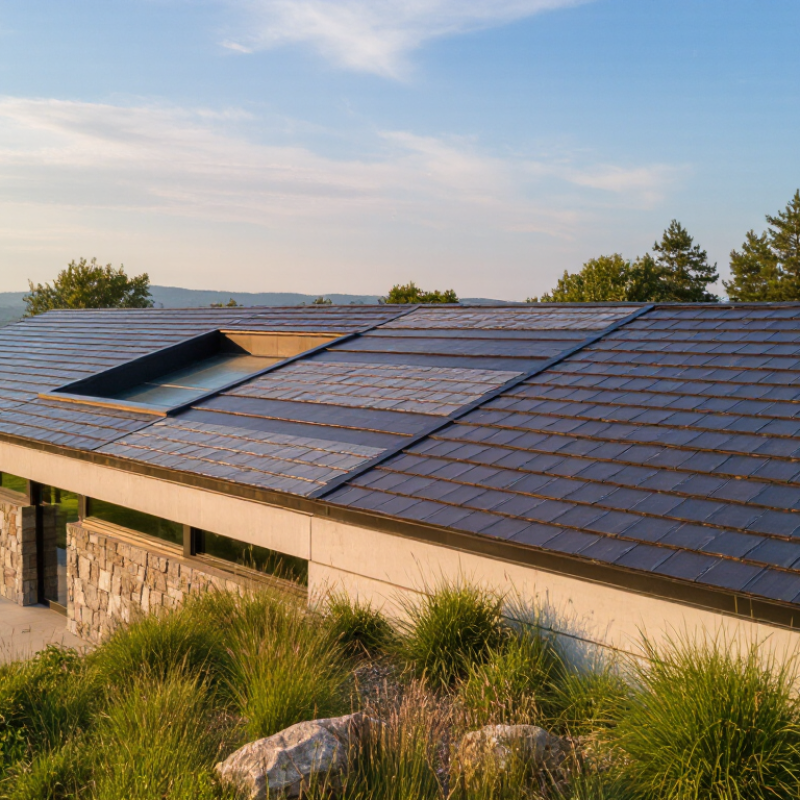
Solar tiles combine roofing with electricity generation, creating a neat, low-profile appearance. Their output depends on roof angle, shade, and local sunlight, so ask for a site-specific assessment rather than relying on a general estimate. They may also cost more than conventional tiles paired with separate panels. No option is perfect. Compare expected maintenance, replacement access, and total ownership costs, not just appearance or purchase price. A small sample viewed outdoors can reveal color and texture differences that product photos miss.
For modern roof tiles, a wind rating is useful only when it matches the actual product and installation. ASTM D3161 and D7158 are commonly cited for asphalt shingles, so do not assume those tests certify every tile. Ask for the test standard, rating, and installation conditions in the product documentation. A number without context can mislead.
Wind performance depends on more than the tile itself. Roof slope, deck condition, fasteners, edge details, and exposure all matter. Check whether the tested assembly resembles your roof, especially at ridges and eaves where uplift forces can be severe. Small details count. A strong tile can still fail if it is attached incorrectly.
Class A fire classification is another valuable benchmark, but it applies to a tested roof assembly, not an isolated tile. The rating generally reflects performance under standardized flame spread and fire exposure tests, such as ASTM E108. It does not make a roof fireproof. Confirm that the underlayment and installation method match the tested configuration. I find this distinction easy to overlook; the label sounds simpler than the conditions behind it. Ask for current test reports and verify that local requirements accept the listed assembly.
TRI Alliance reports that tile roofs can last 50 years or more. That makes lifespan a key factor when comparing modern roof options. Still, this figure is a benchmark, not a guarantee for every home. Age alone can mislead.
Clay and concrete tiles may remain serviceable for decades, while the underlayment beneath them can need attention sooner. A cracked tile near a valley or a slipped piece at the eave may let water reach that layer. Small defects can be hard to spot from the ground. Details matter. Regular checks can catch loose tiles, blocked drainage, or worn flashing before moisture damages the roof deck.
A roof’s actual service life depends on installation quality, ventilation, roof slope, local weather, and ongoing maintenance. Freeze-thaw cycles, heavy rain, and falling branches can all create different stresses. Ask a qualified roofing professional to inspect both the visible tiles and the materials below them. Keep inspection notes and repair dates; they help reveal recurring trouble spots. Fifty years is possible, but it should not be treated as a maintenance-free promise.
Tile Roofing Industry Alliance guidance commonly describes tile roofs as lasting 50 years or more. The estimates below are typical service-life ranges, not guarantees; installation quality, climate, maintenance, and the roof’s underlayment can affect actual performance.
| Roofing Material | Typical Service-Life Range | Approximate Weight | Key Advantages | Considerations | Good Fit For |
|---|---|---|---|---|---|
| Clay tile | Often 50–100+ years | About 600–1,200 lb per roofing square (100 sq ft); varies by profile | Long service life, strong resistance to fire and rot, and good performance in hot climates | Heavy; needs a suitably designed roof structure. Individual tiles can crack from impact, and installation requires skilled labor. | Homeowners seeking a long-lasting roof, especially in warm or dry regions |
| Concrete tile | Often 50–75+ years | About 900–1,200 lb per roofing square; varies by design and profile | Durable, fire-resistant, available in many shapes and finishes, and generally less costly than clay tile | Heavy and potentially vulnerable to cracking from impact or freeze-thaw conditions; underlayment may need replacement before the tiles. | Projects where durability and a range of architectural styles are priorities |
| Natural slate | Often 75–150+ years | About 800–1,500 lb per roofing square; varies with slate thickness | Exceptional longevity, natural appearance, and strong fire resistance | Very heavy and comparatively costly; requires structural assessment and specialist installation. Slate quality affects durability. | Buildings designed to support the load and owners prioritizing a very long service life |
| Metal panels or shingles | Often 40–70 years | Commonly about 50–150 lb per roofing square, depending on metal and profile | Lightweight, recyclable, and available in profiles that resemble traditional tile | Performance depends on the metal, coating, fastening, and detailing; repairs may require matching the existing finish. | Roof structures where lower weight is important or a tile-like appearance is desired |
| Synthetic composite tile | Commonly around 30–50 years; product-specific | Often about 200–500 lb per roofing square; varies by composition and design | Usually lighter than clay, concrete, or slate, with a range of styles and easier handling | Service life and weather performance vary by material and product testing; check published specifications and warranty terms. | Projects seeking a tile or slate appearance with reduced roof load |
Weight figures are approximate and are provided for preliminary comparison only. A qualified roofing professional or structural engineer should confirm the roof’s load capacity and the suitability of any material for local conditions.
Modern roof tiles can do more than shed rain. Cool-roof tiles reflect more sunlight and release absorbed heat efficiently, helping keep the roof surface cooler on hot afternoons. The U.S. Department of Energy notes that cool roofs can reduce cooling demand by about 10–15% in suitable conditions. That figure is not a promise for every home.
Actual savings depend on climate, roof angle, insulation, ventilation, and how much sun the roof receives. A pale, reflective tile may help a sun-exposed house in a hot region, while the benefit can be smaller in a cool or shaded location. Indoors, the difference may feel modest rather than dramatic. Still, a cooler roof can ease air-conditioning demand during peak heat. Tile weight and local structural capacity also matter, so have a qualified roofing professional check the roof before choosing materials. I would not judge performance by color alone; product data and installation details deserve a closer look.
Tips: Compare tested solar-reflectance ratings, not just samples in a showroom. Ask whether the rating applies to the tile itself or the complete roof system. Check attic ventilation and insulation, too. A reflective tile cannot fix a poorly insulated ceiling. And keep expectations realistic: actual results can be uneven.
The U.S. Department of Energy indicates that cool roofs can reduce building cooling demand by about 10–15%. Actual results vary with climate, building design, and roof characteristics.
Source: U.S. Department of Energy. Values show the cited potential reduction range, not a guaranteed outcome.
Choosing a modern roof tile in 2026 starts with the roof beneath it, not the showroom sample. Clay and concrete tiles can weigh roughly 8–12 pounds per square foot, while some composite systems weigh much less. Exact figures vary by profile and product. Ask a structural professional to check the framing, especially on older homes. A tile that looks sturdy can still be the wrong load. That matters.
Climate changes the shortlist. In freeze-thaw regions, ask for documented water-absorption and freeze-thaw testing; porous tiles may crack when trapped moisture freezes. In hot, sunny areas, lighter colors and a ventilated roof assembly can help reduce heat gain. Coastal or high-wind sites need appropriate fixings and tested wind resistance. A “weatherproof” label alone may not answer those questions.
Compare installed cost, not tile price alone. Budget for underlayment, battens, flashing, ridge pieces, delivery, breakage, and possible structural upgrades. Complex hips and valleys add labor. Installation also depends on roof pitch, fastening patterns, and crew experience; some systems require specific slopes or detailing. Get written specifications and a sample layout. Small details matter. I’d leave room for uncertainty, too: site conditions can reveal costs that no brochure shows.